Imidazole → HCID 14514394, compound
Reaction equation

B.[Na].[Cl:3][C:4]1[CH:24]=[C:23]([Cl:25])[CH:22]=[CH:21][C:5]=1[CH2:6][O:7][C:8]1[CH:9]=[C:10]([CH:13]=[CH:14][C:15]=1[CH:16](O)[CH2:17][CH2:18][CH3:19])[C:11]#[N:12].S(Cl)(Cl)=O.ClC1C=C(Cl)C=CC=1COC1C=C(C=CC=1C(Cl)CCC)C#N.[Na].[NH:54]1[CH:58]=[CH:57][N:56]=[CH:55]1>O1CCOCC1.CN(C)C=O.C(#N)C1C=CC=CC=1>[Cl:3][C:4]1[CH:24]=[C:23]([Cl:25])[CH:22]=[CH:21][C:5]=1[CH2:6][O:7][C:8]1[CH:9]=[C:10]([CH:13]=[CH:14][C:15]=1[CH:16]([N:54]1[CH:58]=[CH:57][N:56]=[CH:55]1)[CH2:17][CH2:18][CH3:19])[C:11]#[N:12]Participants
Reactant 5




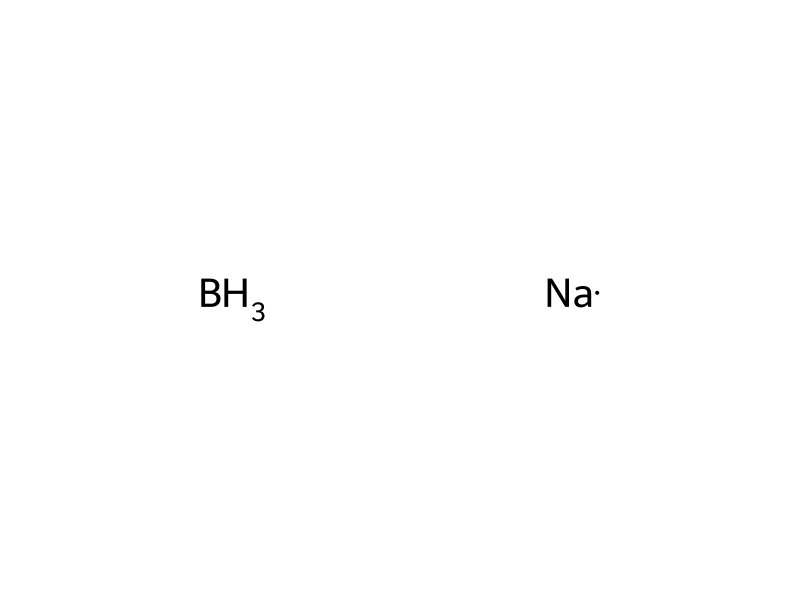
Product 1

Reagents, catalysts & solvents 3

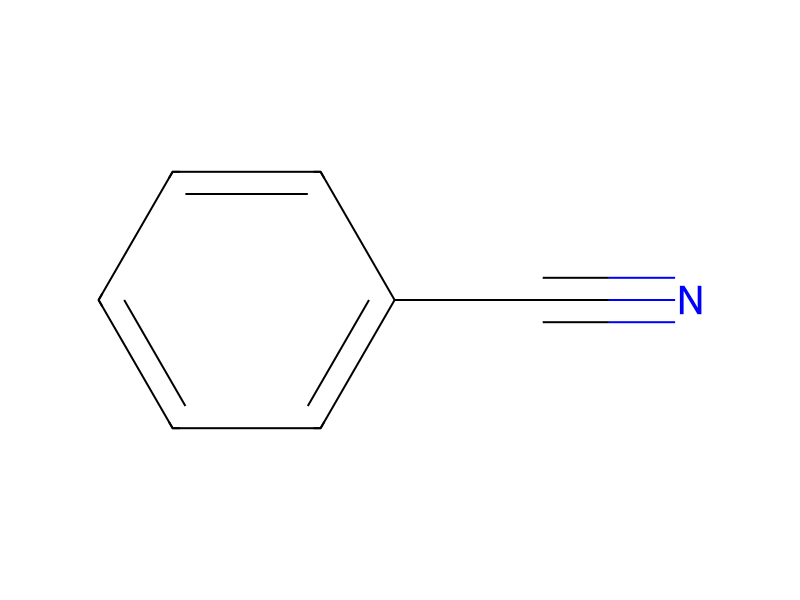

Procedure
3-Bromo-1-butyryloxybenzene is obtained by esterification of 3-bromophenol with butyric acid chloride and further is reacted, by Fries reaction and etherification of the phenolic hydroxyl group, with 2,4-dichlorobenzyl chloride into the 3-(2,4-dichlorobenzyloxy)-4-butyryl-1-bromobenzene. The 3(2,4-dichlorobenzyloxy)-4-butyrylbenzonitrile with a melting point of 97°-98° C. is obtained by reaction of substituted bromobenzene with copper(I) cyanide in N-methyl pyrrolidone (3 hours at 180° C.). The aromatic keto group is reduced with sodium boron hydride in aqueous dioxane to 3-(2,4-dichlorobenzyloxy)-4-(1-hydroxybutyl)-benzonitrile, melting point of 101°-105° C. The 3-(2,4-dichlorobenzyloxy)-4-(1-chlorobutyl)benzonitrile thionyl chloride. The substituted benzyl chloride is reacted with the sodium salt of the imidazole in dimethylformamide to 3-(2,4-dichlorobenzyloxy)-4-(imidazolyl)-butyl]-benzonitrile (melting point of 105°-107° C.).
Sources & evidence
- ORD record
- ord-78bd6328f22a4521b01cc64413f1d37a
- Source dataset
- uspto-grants-1990_04
- Patent number
- US04916144
Reaction notes
Loading…