(5-bromo-1-benzofuran-2-yl)(phenyl)methanone → 2-Benzyl-5-bromo-1-benzofuran
Reaction equation

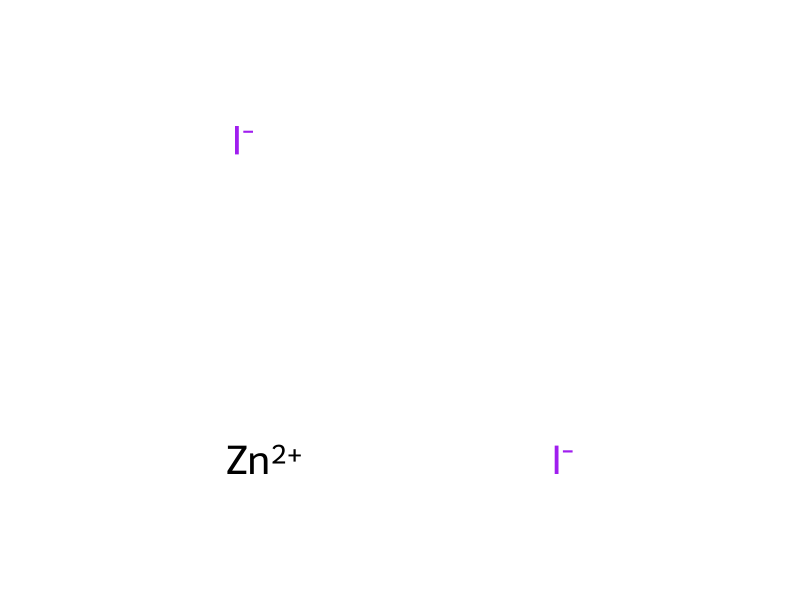
[Br:1][C:2]1[CH:3]=[CH:4][C:5]2[O:9][C:8]([C:10]([C:12]3[CH:17]=[CH:16][CH:15]=[CH:14][CH:13]=3)=O)=[CH:7][C:6]=2[CH:18]=1.C([BH3-])#N.[Na+]>[I-].[Zn+2].[I-].ClCCCl>[CH2:10]([C:8]1[O:9][C:5]2[CH:4]=[CH:3][C:2]([Br:1])=[CH:18][C:6]=2[CH:7]=1)[C:12]1[CH:13]=[CH:14][CH:15]=[CH:16][CH:17]=1Participants
Reactant 2


Product 1

Reagents, catalysts & solvents 2

Procedure
(5-bromobenzofuran-2-yl)(phenyl)methanone (2.0 g, 6.6 mmol), sodium cyanoborohydride (3.2 g, 51 mmol), zinc iodide (2.6 g, 13.2 mmol) and 1,2-dichloroethane (50 mL) were combined and heated to reflux for overnight. The mixture was cooled, quenched with saturated ammonium chloride, acidified with concentrated HCl and stirred for 30 minutes. The layers were separated, the aqueous layer was extracted with dichloromethane (2×100 mL) and the combined organic layers were washed with water (50 mL) and brine (50 mL), dried over sodium sulfate and concentrated. The residue was purified by silica gel column chromatography (ISCO system, 20% dichloromethane in hexanes) to give the product as a white solid: 1H NMR (400 MHz, CDCl3) δ7.59 (s, 1H), 7.27-7.34 (m, 7H), 6.32 (s, 1H), 4.10 (s, 2H).
Workup
- temperatureheated
- temperatureto reflux for overnight
- temperatureThe mixture was cooled
- customquenched with saturated ammonium chloride
- customThe layers were separated
- extractionthe aqueous layer was extracted with dichloromethane (2×100 mL)
- washthe combined organic layers were washed with water (50 mL) and brine (50 mL)
- dry with materialdried over sodium sulfate
- concentrationconcentrated
- customThe residue was purified by silica gel column chromatography (ISCO system, 20% dichloromethane in hexanes)
Sources & evidence
- ORD record
- ord-af3dabb7d4d444478055e3a44cae6c3a
- Source dataset
- uspto-grants-2011_04
- Patent number
- US07919519B2
Reaction notes
Loading…