Hydrochloric Acid → 4-Dimethoxymethyl-1-(2-morpholinoethoxy)-2-nitrobenzene
Reaction equation

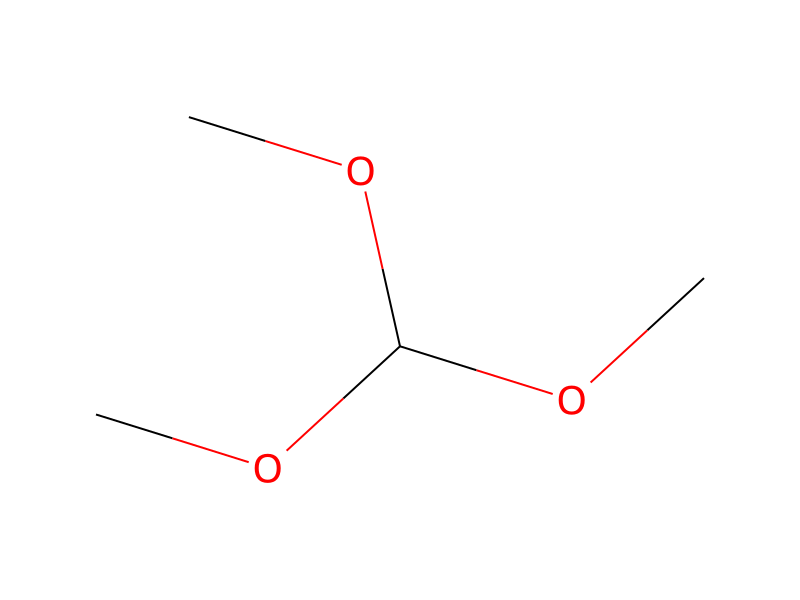
Cl.[O:2]1[CH2:7][CH2:6][N:5]([CH2:8][CH2:9][O:10][C:11]2[CH:18]=[CH:17][C:14](C=O)=[CH:13][C:12]=2[N+:19]([O-:21])=[O:20])[CH2:4][CH2:3]1.[CH:22]([O:27][CH3:28])([O:25][CH3:26])OC.Cl.C(=O)([O-])[O-].[K+].[K+]>ClCCl.CO>[CH3:28][O:27][CH:22]([O:25][CH3:26])[C:14]1[CH:17]=[CH:18][C:11]([O:10][CH2:9][CH2:8][N:5]2[CH2:4][CH2:3][O:2][CH2:7][CH2:6]2)=[C:12]([N+:19]([O-:21])=[O:20])[CH:13]=1Participants
Reactant 4



Product 1

Reagents, catalysts & solvents 2


Procedure
A solution of 4-(2-morpholinoethoxy)-3-nitrobenzaldehyde hydrochloride obtained in Step 1 (2.97 g, 9.38 mmol) in dichloromethane (10.0 mL) was added with trimethyl orthoformate (15.0 mL, 13.7 mmol) and a 10% solution of hydrogen chloride in methanol (5.00 mL), followed by stirring at room temperature for 4 hours. The reaction mixture was added with potassium carbonate (10.0 g, 72.4 mmol), then stirred at room temperature for 5 hours, and the solvent was evaporated under reduced pressure. The residue was added with water (50 mL) and was extracted with ethyl acetate (50 mL×3). After drying over anhydrous sodium sulfate, the solvent was evaporated under reduced pressure to obtain 4-dimethoxymethyl-1-(2-morpholinoethoxy)-2-nitrobenzene (2.98 g, 97%).
Workup
- stirringstirred at room temperature for 5 hours
- customthe solvent was evaporated under reduced pressure
- additionThe residue was added with water (50 mL)
- extractionwas extracted with ethyl acetate (50 mL×3)
- dry with materialAfter drying over anhydrous sodium sulfate
- customthe solvent was evaporated under reduced pressure
Sources & evidence
- ORD record
- ord-7a26484fe7ab416a8aaea2f238edf426
- Source dataset
- uspto-grants-2011_04
- Patent number
- US07919517B2
Reaction notes
Loading…