Sodium Chloride → An inositol
Reaction equation

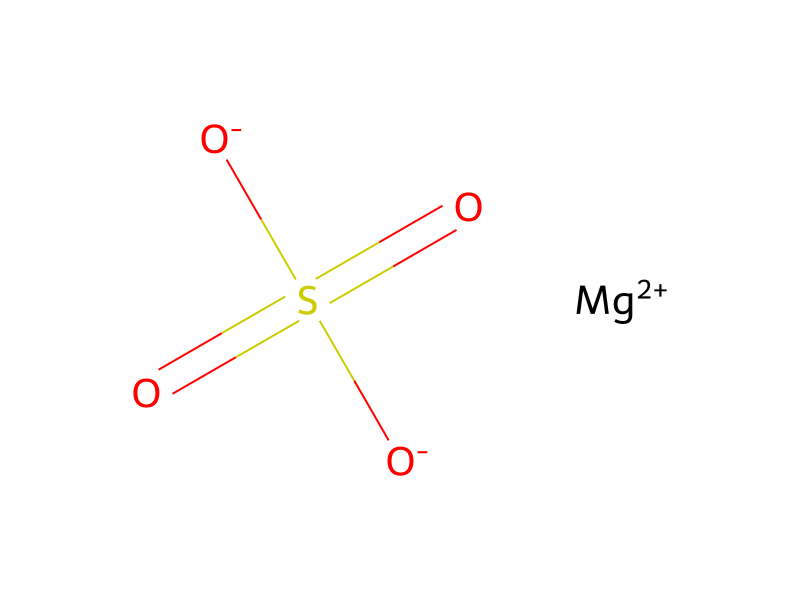
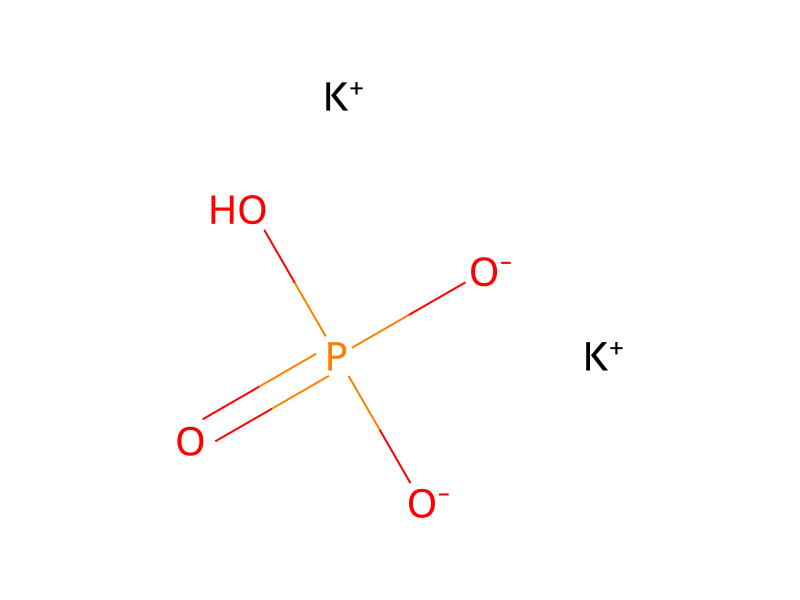
OP([O-])([O-])=O.[K+].[K+].[Na+].[Cl-].[O-]S([O-])(=O)=O.[Mg+2].[O:16]=[CH:17][C@@H:18]([C@H:20]([C@@H:22]([C@@H:24]([CH2:26][OH:27])[OH:25])[OH:23])[OH:21])[OH:19].OC1O[C@H](CO)[C@@H](O[C@@H]2O[C@H](CO)[C@H](O)[C@H](O)[C@H]2O)[C@H](O)[C@H]1O>>[CH:26]1([OH:27])[CH:17]([OH:16])[CH:18]([OH:19])[CH:20]([OH:21])[CH:22]([OH:23])[CH:24]1[OH:25]Participants




Procedure
When the OD600 reached about 2 units, the culture was transferred to a fermentor at a 5% ratio. The fermentation medium consisted of: 2.0 g/L(NH4)2SO4; 8.0 g/L K2HPO4; 2.0 g/L NaCl; 1.0 g/L Na3Citrate.2H2O; 1.0 g/L MgSO4. 7H2O; 0.025 g/L CaCl2.2H2O; 0.05 g/L FeSO4.7H2O; 0.4 ml/L Neidhardt micronutrients and 2.0 g/L glucose. Two to three hours after inoculation, an exponential glucose feed was set up using a 60% glucose solution. The feed was supplied at the required rate to support microbial growth at an exponential rate of 0.15 h−1. When the OD600 reached a value of 30 (around 20 hours after inoculation, corresponding to a cell biomass of 15-16 g DCW/L), the temperature was reduced to 30° C., 30 μM ferric citrate was added and the feed was switched from glucose to a mixture of 50% glucose and 10% lactose. This exponential feed was maintained for 8 hours. At the end of the fermentation the cell concentration was 28 g DCW/L, with an enzyme expression level of about 25% of the total protein.
Workup
- customTwo to three hours
- customat an exponential rate of 0.15 h
- customaround 20 hours
- customwas reduced to 30° C.
- temperatureThis exponential feed was maintained for 8 hours
Sources & evidence
- ORD record
- ord-8b03b9d4d7a94d71894f11c6156db0c1
- Source dataset
- uspto-grants-2011_04
- Patent number
- US07923231B2
Reaction notes
Loading…