Diethyl Ether → ethyl 2-cyano-2-(2-nitrophenyl)acetate
Reaction equation

Cl[C:2]1[CH:7]=[CH:6][CH:5]=[CH:4][C:3]=1[N+:8]([O-:10])=[O:9].[C:11]([CH2:13][C:14]([O:16][CH2:17][CH3:18])=[O:15])#[N:12].[OH-].[K+].CCOCC>CN(C)C(=O)C.CO.C1(C)C=CC=CC=1>[C:11]([CH:13]([C:2]1[CH:7]=[CH:6][CH:5]=[CH:4][C:3]=1[N+:8]([O-:10])=[O:9])[C:14]([O:16][CH2:17][CH3:18])=[O:15])#[N:12]Participants
8
Reactant 4

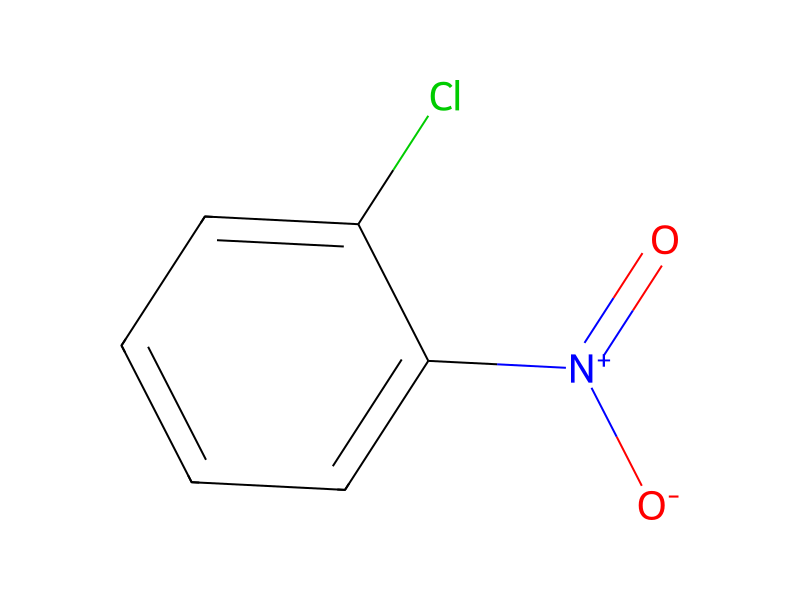


Product 1

Reagents, catalysts & solvents 3



Procedure
A mixture of 2-chloronitrobenzene (47.2 g, 0.300 mole) and ethyl cyanoacetate (40 ml, 0.38 mol) in N,N-dimethylacetamide (DMA, 250 ml) was treated at once with potassium hydroxide pellets (120 g, 2.14 mole). The mixture was mechanically stirred and heated for ten minutes at 110°-120° C. (caution: minimal heat application may be needed, exothermic reaction) then poured into ice-cold dilute hydrochloric acid. Ether extractive workup gave an oil. The oil was passed through silica gel eluting with toluene to provide a yellow oil, which was dissolved in 100 ml methanol then chilled. The solid was filtered to afford ethyl cyano-2-nitrophenylacetate as a yellow solid (51.4 g, 73.2%) mp 57°-61° C. (literature 59°-60° C.).
Workup
- temperatureheated for ten minutes at 110°-120° C.
- custom(caution: minimal heat application may be needed, exothermic reaction)
- additionthen poured into ice-cold dilute hydrochloric acid
- customto provide a yellow oil, which
- temperaturethen chilled
- filtrationThe solid was filtered
Sources & evidence
- ORD record
- ord-7731e30f29114ce8a13c4418f2781700
- Source dataset
- uspto-grants-1993_02
- Patent number
- US05183894
Reaction notes
Loading…