Hydrochloric Acid → HCID 15082719, compound
Reaction equation

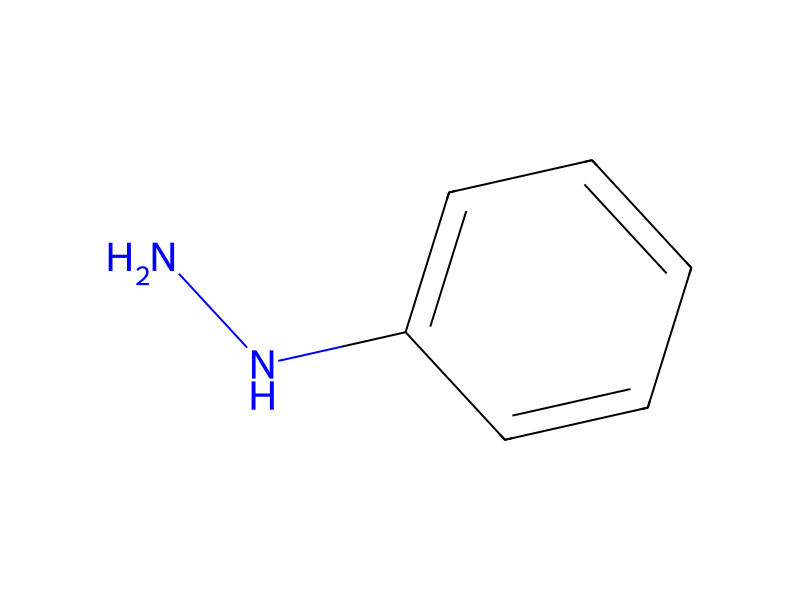
[CH3:1][CH:2]1[C:10]2[C:5](=[CH:6][CH:7]=[CH:8][CH:9]=2)[C:4](=O)[CH2:3]1.[C:12]1([NH:18]N)[CH:17]=[CH:16][CH:15]=[CH:14][CH:13]=1.Cl>C(O)(=O)C>[CH3:1][CH:2]1[C:3]2[C:17]3[CH:16]=[CH:15][CH:14]=[CH:13][C:12]=3[NH:18][C:4]=2[C:5]2[C:10]1=[CH:9][CH:8]=[CH:7][CH:6]=2Participants
Reactant 3


Product 1

Reagents, catalysts & solvents 1

Procedure
3-Methyl-1-indanone (500 mg, 3,42 mmol) prepared by an analogous method to that described by A. M. Weidler et al., Acta Chem. Scand., 18 p. 148 (1964) and phenylhydrazine (0.35 cm3, 3.5 mmol), were heated to reflux in glacial acetic acid (20 cm3). After 2 minutes concentrated hydrochloric acid (1 cm3) was added down the reflux condenser. Boiling was continued for 75 minutes and then the reaction was cooled. The solution was poured into ice/water and extracted into ethyl acetate. The extracts were washed consecutively with brine and then water, and dried (MgSO4). Evaporation of solvent in vacuo, and column chromatography of the residue (10% EtOAc/petrol [60°-80° C.]) yielded the title compound as a cream solid. Yield: 320 mg (43%). M.p. 153°-155° C. 1H NMR (DMSO-d6) δ: 1.50 (3H, d,), 3.85 (1H, q.), 7.0-7.6 (8H, m.), 11.55 (1H, s,).
Workup
- temperaturethe reaction was cooled
- extractionextracted into ethyl acetate
- washThe extracts were washed consecutively with brine
- dry with materialwater, and dried (MgSO4)
- customEvaporation of solvent in vacuo, and column chromatography of the residue (10% EtOAc/petrol [60°-80° C.])
Sources & evidence
- ORD record
- ord-ca3cabcc2ca84016946cfb547c58dda6
- Source dataset
- uspto-grants-1993_02
- Patent number
- US05185360
Reaction notes
Loading…