Hydrochloric Acid → HCID 10319531, compound
Reaction equation

[NH2:1][C:2]1[C:10]2[C:5](=[CH:6][C:7]([Cl:12])=[CH:8][C:9]=2[Cl:11])[NH:4][C:3]=1[C:13]([O:15][CH2:16][CH3:17])=[O:14].[C:18]1([S:24](Cl)(=[O:26])=[O:25])[CH:23]=[CH:22][CH:21]=[CH:20][CH:19]=1.Cl>N1C=CC=CC=1>[C:18]1([S:24]([NH:1][C:2]2[C:10]3[C:5](=[CH:6][C:7]([Cl:12])=[CH:8][C:9]=3[Cl:11])[NH:4][C:3]=2[C:13]([O:15][CH2:16][CH3:17])=[O:14])(=[O:26])=[O:25])[CH:23]=[CH:22][CH:21]=[CH:20][CH:19]=1Participants
5
Reactant 3

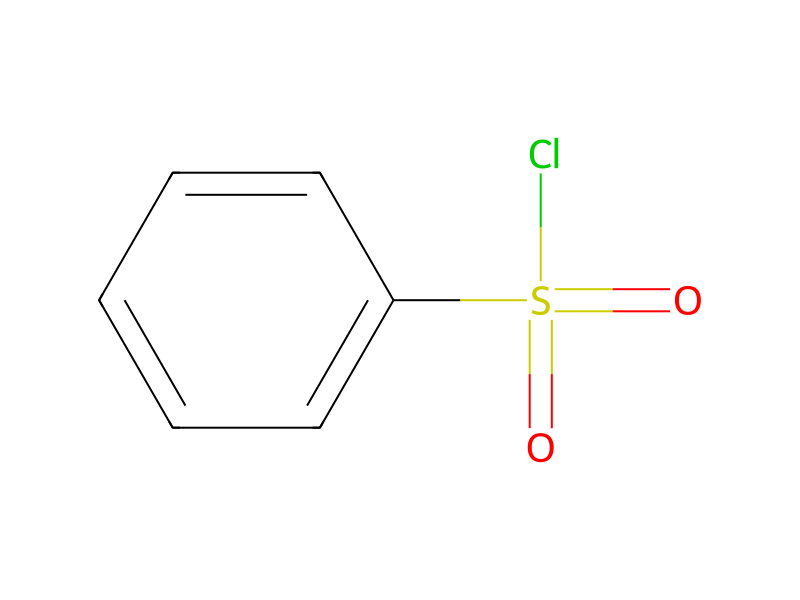

Product 1

Reagents, catalysts & solvents 1

Procedure
Mix 3-amino-2-carbethoxy-4,6-dichloroindole (3.31 g, and anhydrous pyridine (50 mL). Add, by dropwise addition, phenylsulfonyl chloride (2.35 g, 13.33 mmol). Stir for 48 hours at room temperature. Pour into 1N hydrochloric acid (500 mL), extract with ethyl acetate and dry (MgSO4). Evaporate the solvent in vacuo and recrystallize (ethyl acetate/hexane) to give the title compound (3.15 g, 63%); mp 245°-7° C.
Workup
- extractionextract with ethyl acetate
- dry with materialdry (MgSO4)
- customEvaporate the solvent in vacuo
- customrecrystallize (ethyl acetate/hexane)
Sources & evidence
- ORD record
- ord-3581da4bf1a64f868c2f0c8a6d354408
- Source dataset
- uspto-grants-1993_02
- Patent number
- US05189054
Reaction notes
Loading…