Cyclohexanecarboxylic acid → N-(5-Phenylthiophen-2-yl)cyclohexanecarboxamide
Reaction equation

C([C:4]1[C:8](C)=[C:7]([C:10]2[CH:15]=[CH:14][CH:13]=[CH:12][CH:11]=2)[S:6][C:5]=1[NH:16][C:17]([CH:19]1[CH2:24][CH2:23][CH2:22][CH2:21][CH2:20]1)=[O:18])(O)=O.[Li+].[I-].C1(C(O)=O)CCCCC1>N1C(C)=CC(C)=CC=1C>[C:10]1([C:7]2[S:6][C:5]([NH:16][C:17]([CH:19]3[CH2:20][CH2:21][CH2:22][CH2:23][CH2:24]3)=[O:18])=[CH:4][CH:8]=2)[CH:11]=[CH:12][CH:13]=[CH:14][CH:15]=1Participants
5



Procedure
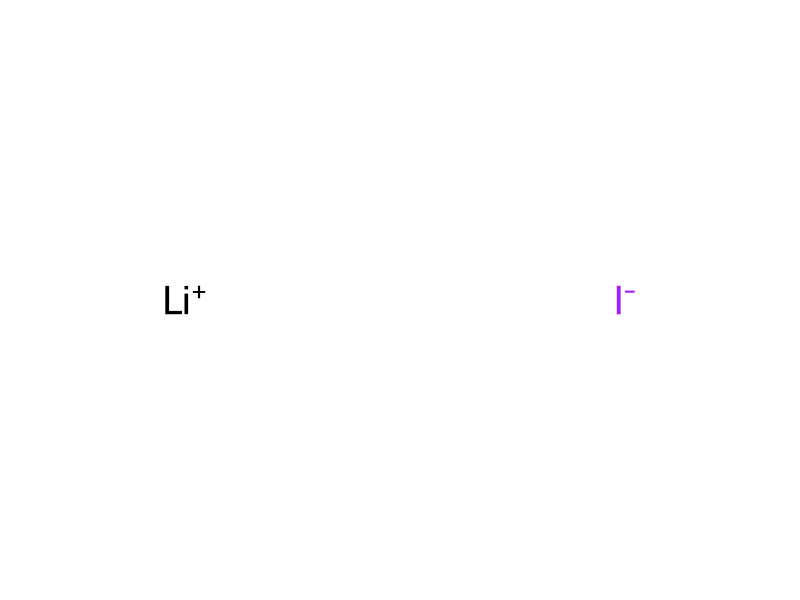
This compound (m.p. 174° C.) was prepared from N-(3-carboxy-methyl-5-phenyl-2-thienyl)-cyclohexane carboxamide (31.1 g, 0.1 mole) and LiI. 2H2O (48.1 g, 0.32 mole) by refluxing in collidine (125 ml.) according to the procedure of Example 53 (a). This compound was also prepared according to the procedure of Example 53(b), using cyclohexane carboxylic acid as the acylating agent. The products of the two processes were spectrally identical and had a melting point of 175° C.
Workup
- customThis compound was also prepared
Sources & evidence
- ORD record
- ord-e7338ab3358949d39b2f0d953f797e84
- Source dataset
- uspto-grants-1978_04
- Patent number
- US04082771
Reaction notes
Loading…