Hydrochloric Acid → HCID 135840347, compound
Reaction equation

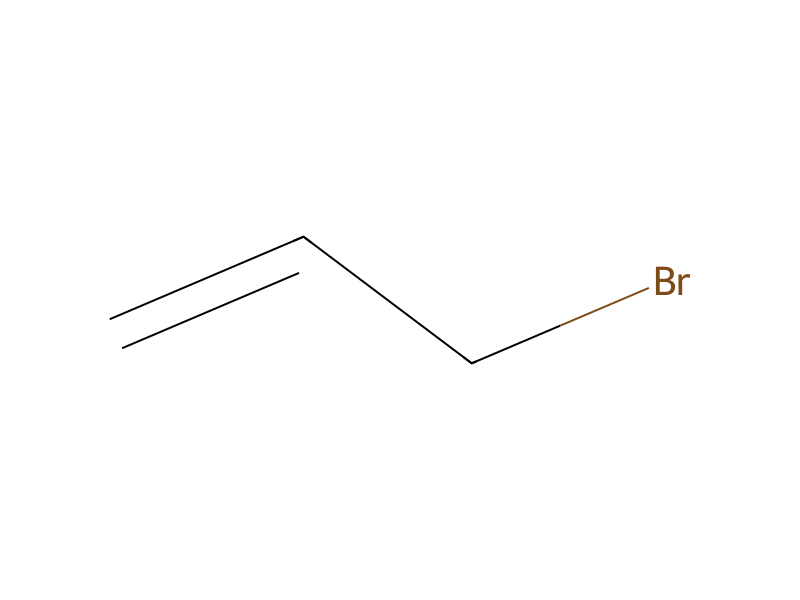
[C:1]([C:5]1[CH:10]=[CH:9][CH:8]=[C:7]([C:11]([CH3:14])([CH3:13])[CH3:12])[C:6]=1[OH:15])([CH3:4])([CH3:3])[CH3:2].[H-].[Na+].Cl.[CH2:19](Br)[CH:20]=[CH2:21].[C:23](=[S:25])=[S:24]>C(COC)OC.COC(OC)C>[C:11]([C:7]1[CH:8]=[C:9]([CH:10]=[C:5]([C:1]([CH3:4])([CH3:3])[CH3:2])[C:6]=1[OH:15])[C:23]([S:25][CH2:19][CH:20]=[CH2:21])=[S:24])([CH3:14])([CH3:13])[CH3:12]Participants







Conditions
- Temperature
- 25 °C
Procedure
A 0.1 mol sample of 2,6-di-t-butylphenol was added dropwise to a solution of 0.2 mol sodium hydride (57% in mineral oil) in 150 ml dimethoxyethane under an atmosphere of nitrogen at about 25° C. After the addition was completed, the reaction mixture was stirred for one hour at 25° C. A 0.1 mol sample of carbon disulfide was then added and the resulting reaction mixture stirred at about 25° C. for 10 minutes. Concentrated hydrochloric acid (0.1 mol) was added slowly, followed by 0.1 mol allyl bromide in 50 ml dimethyoxyethane. The reaction mixture was then heated at reflux overnight (about 16 hours). The reaction mixture was poured into ice water and the crystalline product recovered by filtration. Recrystallization from ether/hexane gave the product, which melted at 93°-95° C. Elemental analysis of the product is tabulated in Table I.
Workup
- additionAfter the addition
- customthe resulting reaction mixture
- stirringstirred at about 25° C. for 10 minutes
- temperatureThe reaction mixture was then heated
- temperatureat reflux overnight (about 16 hours)
- filtrationthe crystalline product recovered by filtration
- customRecrystallization from ether/hexane
- customgave the product, which melted at 93°-95° C
Sources & evidence
- ORD record
- ord-f7f54d121a214b0d9ff079831ff57061
- Source dataset
- uspto-grants-1978_04
- Patent number
- US04083989
Reaction notes
Loading…