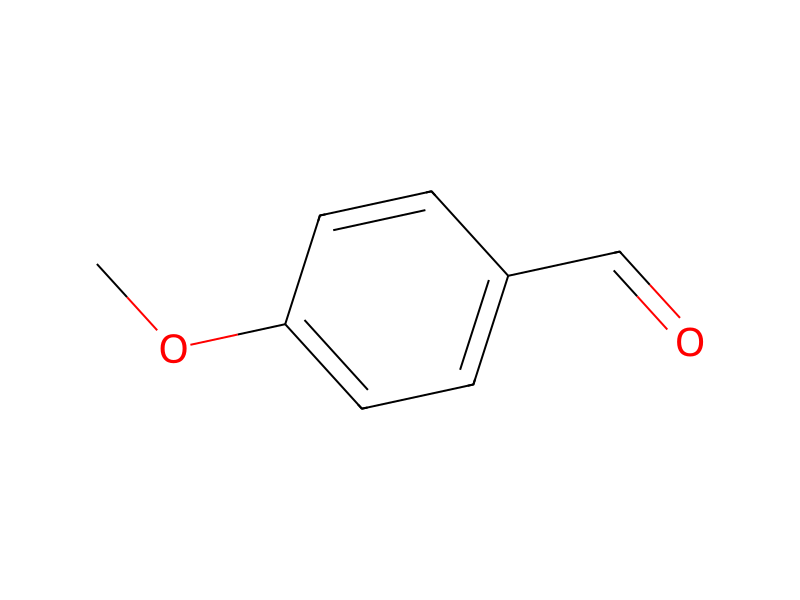
Benzene → [2-(p-Methoxyphenyl)-5-methyl-1,3-dioxan-5-yl]methyl ketone
Reaction equation

[OH:1][CH2:2][C:3]([CH2:8][OH:9])([CH3:7])[C:4](=[O:6])[CH3:5].C1C=CC=CC=1.[CH3:16][O:17][C:18]1[CH:19]=[CH:20][C:21]([CH:24]=O)=[CH:22][CH:23]=1.C1(C)C=CC(S(O)(=O)=O)=CC=1>O>[CH3:16][O:17][C:18]1[CH:19]=[CH:20][C:21]([CH:24]2[O:9][CH2:8][C:3]([C:4]([CH3:5])=[O:6])([CH3:7])[CH2:2][O:1]2)=[CH:22][CH:23]=1Participants
6





Procedure
3,3-bis(Hydroxymethyl)butanone (39.6 g), benzene (200 ml), anisaldehyde (40.8) and toluene-p-sulphonic acid (200 mg) were heated under reflux in a Dean and Stark water trap until the theoretical amount of water had separated. The solution was concentrated in vacuo and the solid residue was crystallised from isopropyl acetate as a white crystalline solid m.p. 112°-114°, cis isomer.
Workup
- customhad separated
- concentrationThe solution was concentrated in vacuo
- customthe solid residue was crystallised from isopropyl acetate as a white crystalline solid m.p. 112°-114°, cis isomer
Sources & evidence
- ORD record
- ord-7a4624cafce949e6a4f89ba976264acd
- Source dataset
- uspto-grants-1978_04
- Patent number
- US04085222
Reaction notes
Loading…