Methyl morpholine oxide → 5-(2,6-difluorophenyl)-1H-pyrrole-3-carbaldehyde
Reaction equation

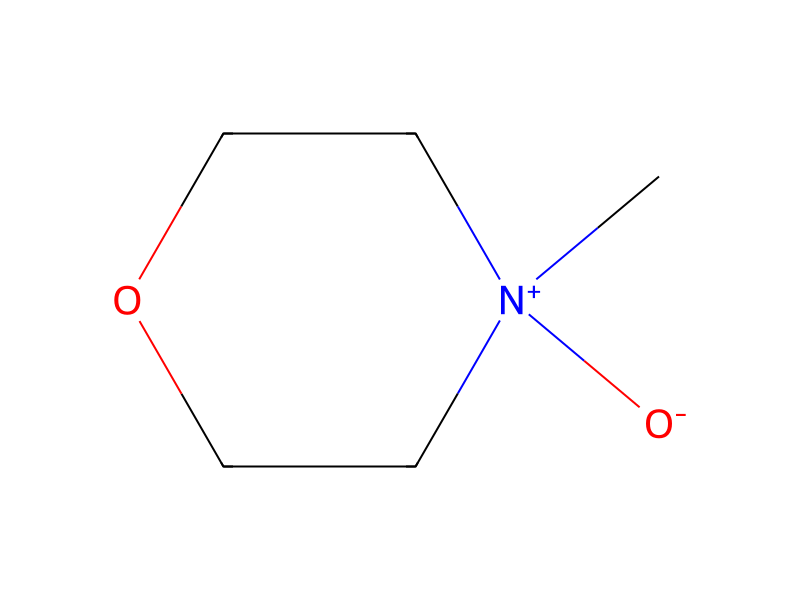
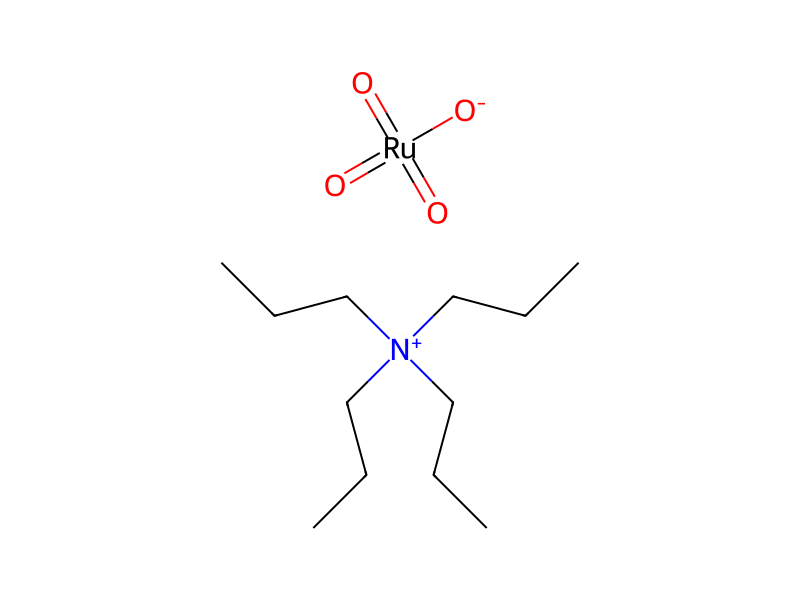
[F:1][C:2]1[CH:7]=[CH:6][CH:5]=[C:4]([F:8])[C:3]=1[C:9]1[NH:13][CH:12]=[C:11]([CH2:14][OH:15])[CH:10]=1.C[N+]1([O-])CCOCC1>C(#N)C.C(OCC)(=O)C.[Ru]([O-])(=O)(=O)=O.C([N+](CCC)(CCC)CCC)CC>[F:1][C:2]1[CH:7]=[CH:6][CH:5]=[C:4]([F:8])[C:3]=1[C:9]1[NH:13][CH:12]=[C:11]([CH:14]=[O:15])[CH:10]=1Participants
6
Reactant 2

Product 1

Reagents, catalysts & solvents 3


Procedure
To a solution (26 mL) of [5-(2,6-difluorophenyl)-1H-pyrrol-3-yl]methanol (2.56 g) in acetonitrile were added tetra-n-propylammonium perruthenate (430 mg), N-methylmorpholine N-oxide (2.15 g) and molecular sieves 4A powder (5 g), and the mixture was stirred at room temperature for 2 hr. The reaction mixture was diluted with ethyl acetate (60 mL) and filtered through celite. The filtrate was concentrated under reduced pressure. The residue was purified by silica gel column chromatography (eluent: hexane-ethyl acetate=1:1) to give the title compound as pale-red crystals (yield 1.94 g, 77%).
Workup
- filtrationfiltered through celite
- concentrationThe filtrate was concentrated under reduced pressure
- customThe residue was purified by silica gel column chromatography (eluent: hexane-ethyl acetate=1:1)
Sources & evidence
- ORD record
- ord-c1c086fbe7a0420780311b9059244432
- Source dataset
- uspto-grants-2013_05
- Patent number
- US08436187B2
Reaction notes
Loading…