Acetone → {3,5-Bis[(prop-2-yn-1-yl)oxy]phenyl}methanol
Reaction equation

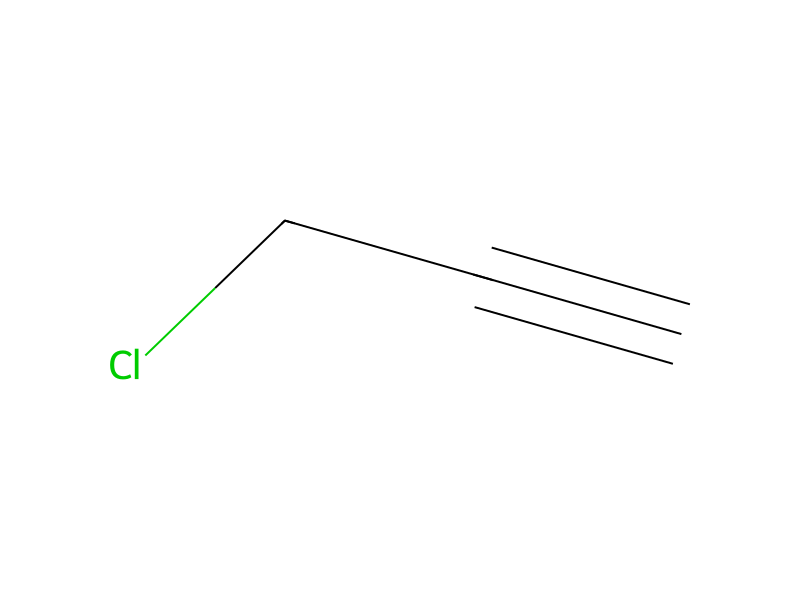
C([O-])([O-])=O.[K+].[K+].[OH:7][C:8]1[CH:9]=[C:10]([CH:13]=[C:14]([OH:16])[CH:15]=1)[CH2:11][OH:12].[CH2:17](Cl)[C:18]#[CH:19].[CH3:21][C:22]([CH3:24])=O>>[CH2:17]([O:7][C:8]1[CH:9]=[C:10]([CH:13]=[C:14]([O:16][CH2:24][C:22]#[CH:21])[CH:15]=1)[CH2:11][OH:12])[C:18]#[CH:19]Participants
5




Procedure
Finely powdered K2CO3 (14 g, 0.10 mol), and KI (17 g, 0.10 mol) were stirred in acetone (200 mL) under a nitrogen atmosphere. 3,5-Dihydroxybenzyl alcohol (4.2 g, 0.030 mol), and propargyl chloride (5.3 g, 0.071 mol) were added and mixture was allowed to reflux overnight. After the solution was filtered, and evaporated down to dryness, the residue was diluted with DCM, worked up and the solvents were removed in vacuo leaving a yellow oil, which solidified upon standing to give 6.3 g in 97% yield.
Workup
- temperatureto reflux overnight
- filtrationAfter the solution was filtered
- customevaporated down to dryness
- additionthe residue was diluted with DCM
- customthe solvents were removed in vacuo
- customleaving a yellow oil, which
- customto give 6.3 g in 97% yield
Sources & evidence
- ORD record
- ord-77645c87f455494b81cc4c2f2a45205c
- Source dataset
- uspto-grants-2013_05
- Patent number
- US08444953B2
Reaction notes
Loading…