Isopropanol → HCID 86654826, compound
Reaction equation

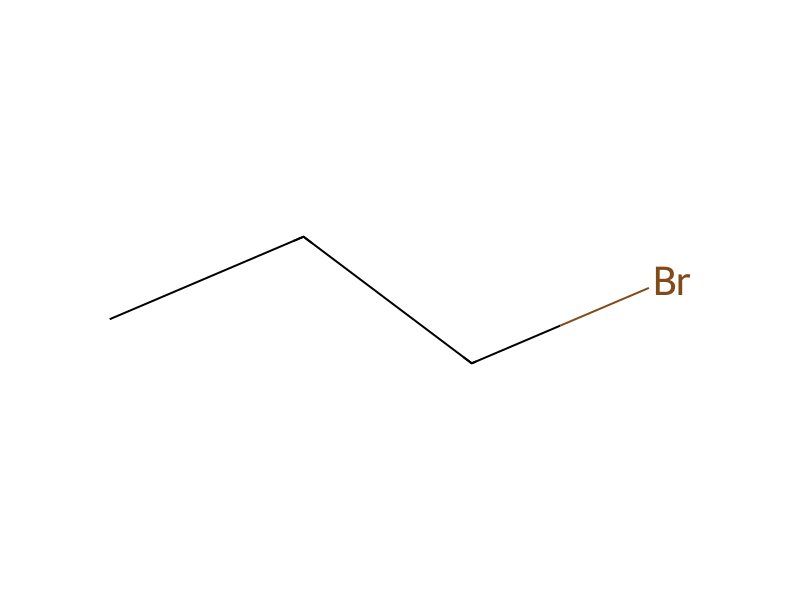
[CH3:1][C:2]1[NH:3][CH:4]=[CH:5][N:6]=1.[H-].[Na+].[Br:9][CH2:10][CH2:11][CH3:12].[CH3:13][CH:14](O)[CH3:15]>COCCOC>[Br-:9].[CH2:10]([N+:3]1[CH:4]=[CH:5][N:6]([CH2:13][CH2:14][CH3:15])[C:2]=1[CH3:1])[CH2:11][CH3:12]Participants
Reactant 4



Product 1

Reagents, catalysts & solvents 1

Conditions
- Temperature
- 60 °C
Procedure
2-Methylimidazole was allowed to react with one equivalent of sodium hydride at room temperature in 1,2-dimethoxyethane as a solvent, and then three equivalents of 1-bromopropane was slowly added thereto, followed by stirring at 60° C. for two days. About one day after the start of stirring, an adequate amount of 2-propanol was added thereto as a co-solvent. After the completion of stirring, the solvent and unreacted 1-bromopropane were distilled off. The residual solid was recrystallized twice from acetone to give 1,3-di-n-propyl-2-methylimidazolium bromide as transparent and colorless crystals (ionic liquid No. 3 in Table 1). Then, 1,3-di-n-propyl-2-methylimidazolium bromide was dissolved in water, and one equivalent of silver sulfate was added thereto, followed by stirring for about 1 hour at room temperature. The resultant precipitate of silver bromide was removed by filtration, and then water was distilled off. The residual solid was recrystallized from acetonitrile to give 1,3-di-n-propyl-2-methylimidazolium sulfate as white fine crystals.
Workup
- stirringAbout one day after the start of stirring
- stirringAfter the completion of stirring
- distillationthe solvent and unreacted 1-bromopropane were distilled off
- customThe residual solid was recrystallized twice from acetone
Sources & evidence
- ORD record
- ord-cb37c7cf4d4341259f1d38a120742dbc
- Source dataset
- uspto-grants-2013_05
- Patent number
- US08449862B2
Reaction notes
Loading…