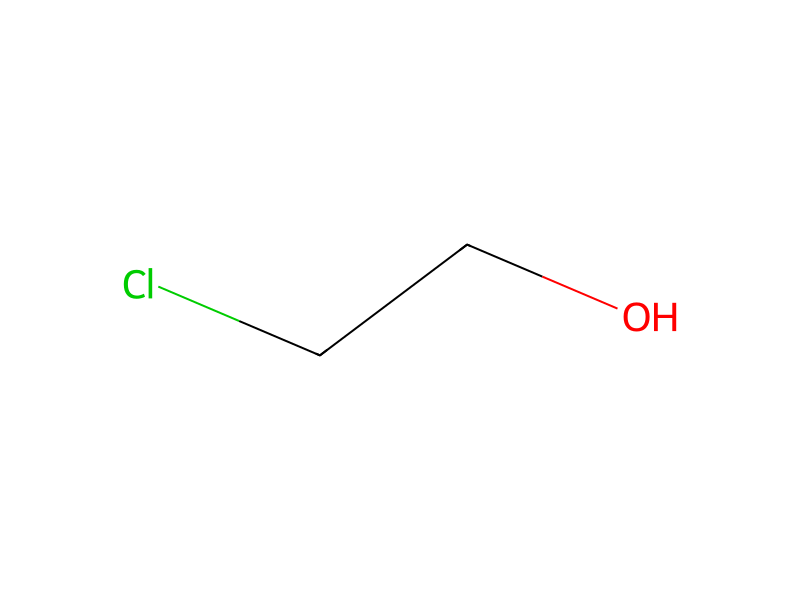
2-Chloroethanol → HCID 66954413, compound
Reaction equation

[Br:1][C:2]1[CH:10]=[C:9]2[C:5]([C:6]3([CH2:16][CH2:15][C:14](=[O:17])[CH2:13][CH2:12]3)[C:7](=[O:11])[NH:8]2)=[CH:4][CH:3]=1.[Cl:18][CH2:19][CH2:20][OH:21].CS(O)(=O)=O.[C:27](=O)([O-])O.[Na+].Cl[CH2:33][Cl:34]>C1(C)C=CC=CC=1>[Br:1][C:2]1[CH:10]=[C:9]2[C:5]([C:6]3([CH2:12][CH2:13][C:14]([O:21][CH2:20][CH2:19][Cl:18])([O:17][CH2:27][CH2:33][Cl:34])[CH2:15][CH2:16]3)[C:7](=[O:11])[NH:8]2)=[CH:4][CH:3]=1Participants
7





Procedure
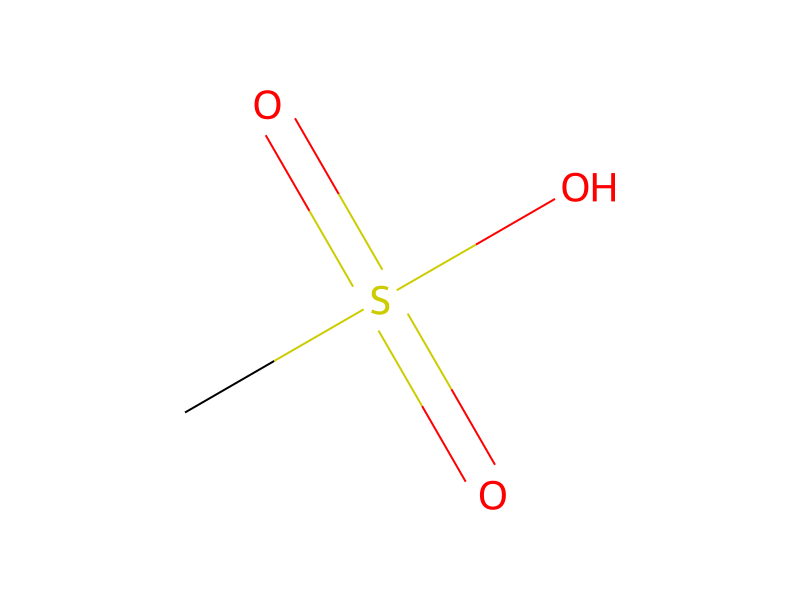
A mixture of 6′-bromospiro[cyclohexane-1,3′-indoline]-2′,4-dione (preparation 10a, 4.0 g, 13.6 mmol), 2-chloroethanol (20 mL), methanesulphonic acid (0.25 mL) and freshly activated molecular sieves (20 g) in dichloromethane (20 mL) and toluene (40 mL) was stirred at ambient temperature for 4 days. Solid sodium hydrogen carbonate was added to neutralize the mixture and the suspension was filtered and the filter cake was washed with several portions of dichloromethane. The filtrate and washings were combined and evaporated and the residue was purified by flash chromatography (200:1 dichloromethane/methanol) to give the title compound (3.9 g, 66%) as a white solid.
Workup
- filtrationthe suspension was filtered
- washthe filter cake was washed with several portions of dichloromethane
- customevaporated
- customthe residue was purified by flash chromatography (200:1 dichloromethane/methanol)
Sources & evidence
- ORD record
- ord-44b3b2c69edf494091f1cfe5796bb230
- Source dataset
- uspto-grants-2013_05
- Patent number
- US08450341B2
Reaction notes
Loading…