Fluorene-2-carboxaldehyde → HCID 57801038, compound
Reaction equation

[CH:1]1[C:13]2[CH2:12][C:11]3[C:6](=[CH:7][CH:8]=[CH:9][CH:10]=3)[C:5]=2[CH:4]=[CH:3][C:2]=1[CH:14]=[O:15].Br[CH2:17][CH2:18][CH2:19][CH:20]=[CH2:21].[Mg]>C(OCC)C.COCCOCCOC.C(Cl)Cl>[CH:1]1[C:13]2[CH2:12][C:11]3[C:6](=[CH:7][CH:8]=[CH:9][CH:10]=3)[C:5]=2[CH:4]=[CH:3][C:2]=1[CH:14]([OH:15])[CH2:21][CH2:20][CH2:19][CH:18]=[CH2:17]Participants
7
Reactant 3



Product 1

Reagents, catalysts & solvents 3


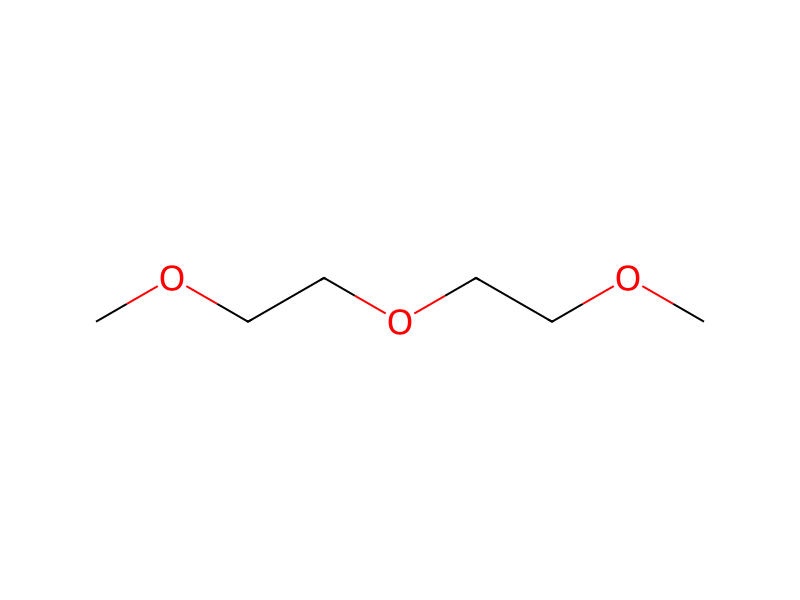
Procedure
2-Fluorenecarboxaldehyde (3 g) was dissolved in a mixture of anhydrous diethyl ether (30 ml) and anhydrous diglyme (5 ml) and was reacted with a grignard prepared from 5-bromopentene and magnesium, as described for example 23. The mixture was stirred for 30 min and a precipitate filtered off and washed with diethyl ether to give a white powder. The powder was dissolved in DCM and washed with saturated NH4Cl and water. Evaporation gave an oil which rapidly solidified. Column chromatography gave the title compound as a white solid. δC (CDCl3, 62.9 MHz): 25.2, 33.7, 36.9, 38.7, 74.8, 114.8, 119.8, 119.9, 122.6, 124.7, 125.1, 126.7, 126.8, 138.7, 141.2, 141.5, 143.4, 143.6 and 143.6.
Workup
- customwas reacted with a grignard
- filtrationa precipitate filtered off
- washwashed with diethyl ether
- customto give a white powder
- washwashed with saturated NH4Cl and water
- customEvaporation
- customgave an oil which
Sources & evidence
- ORD record
- ord-6d6f2d6bf9a7414eae149670c6a76be1
- Source dataset
- uspto-grants-2009_08
- Patent number
- US07572825B2
Reaction notes
Loading…