Pyridine → Ether isopropyl ether
Reaction equation

[C:1]1(NN)[CH:6]=[CH:5]C=CC=1.N1[CH:14]=[CH:13][CH:12]=[CH:11][CH:10]=1.[CH:15]1([C:21](Cl)=[O:22])CCCCC1>CN(C=O)C>[CH:11]([O:22][CH:6]([CH3:5])[CH3:1])([CH3:12])[CH3:10].[CH2:21]([O:22][CH2:13][CH3:14])[CH3:15]Participants
5
Reactant 3

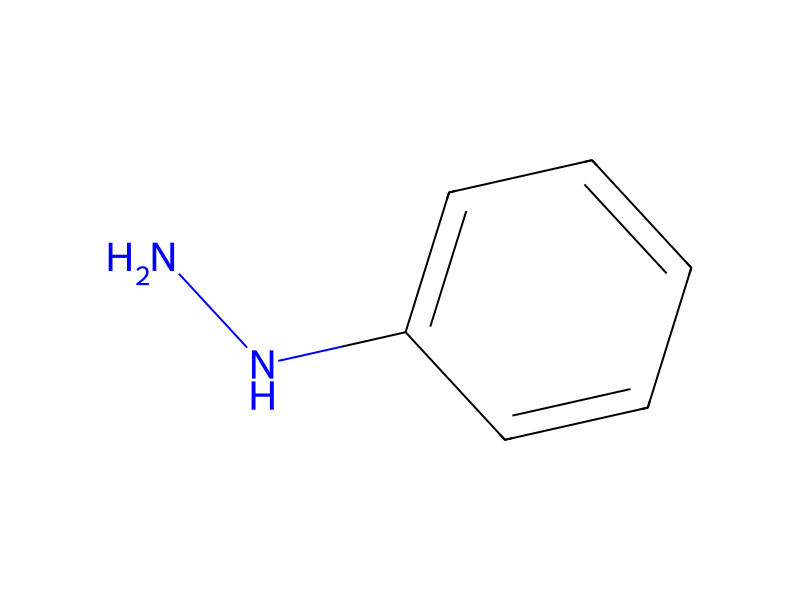

Product 1

Reagents, catalysts & solvents 1

Procedure
To a cooled (0-5° C.) solution of 43.2 g (0.4mol) phenylhydrazine and 35.2 g (0.44 mol) pyridine in 300 ml DMF were added slowly 51 g (0.35 mol) cyclohexane carboxylic acid chloride. The solution was stirred 30 mn more after the end of the addition and concentrated under vacuum. The residue was poured in 300 ml water and stirred 30 mn. Filtration, washing with water and drying led to 74.5 g (98%) of the desired compound. The compound contained traces of starting material and was used without further purification. An analytical sample was obtained from isopropyl ether/ethyl ether
Workup
- additionmore after the end of the addition
- concentrationconcentrated under vacuum
- additionThe residue was poured in 300 ml water
- stirringstirred 30 mn
- filtrationFiltration
- washwashing with water
- customdrying
- customwas used without further purification
Sources & evidence
- ORD record
- ord-37fa4838081a4abe9dc9dd6587d50b4a
- Source dataset
- uspto-grants-1990_06
- Patent number
- US04933336
Reaction notes
Loading…