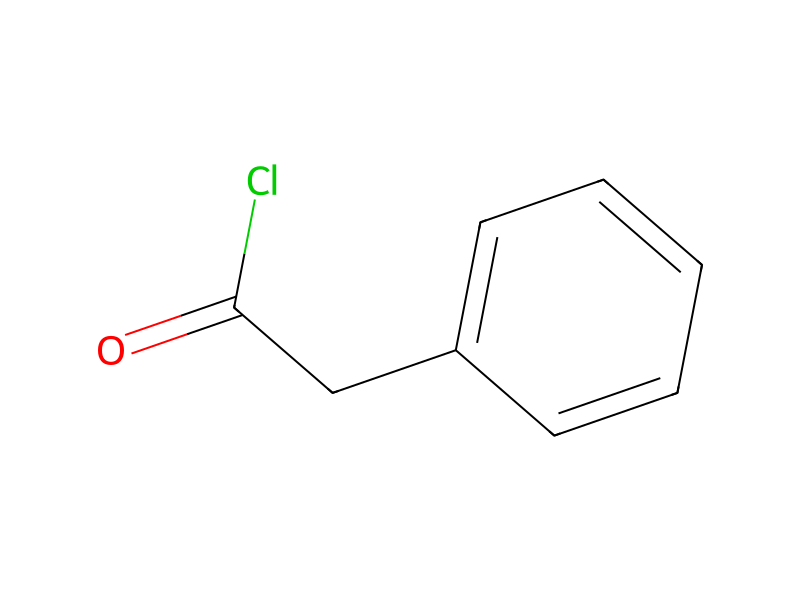
Phenylacetyl chloride → HCID 23047262, compound
Reaction equation

[CH3:1][CH:2]1[S:7][C:6](=[O:8])[NH:5][N:4]=[C:3]1[C:9]1[CH:10]=[C:11]2[C:15](=[CH:16][CH:17]=1)[NH:14][C:13](=[O:18])[C:12]2([CH3:20])[CH3:19].[H-].[K+].[C:23]1([CH2:29][C:30](Cl)=[O:31])[CH:28]=[CH:27][CH:26]=[CH:25][CH:24]=1>>[CH3:1][CH:2]1[S:7][C:6](=[O:8])[NH:5][N:4]=[C:3]1[C:9]1[CH:10]=[C:11]2[C:15](=[CH:16][CH:17]=1)[N:14]([C:30]([CH2:29][C:23]1[CH:28]=[CH:27][CH:26]=[CH:25][CH:24]=1)=[O:31])[C:13](=[O:18])[C:12]2([CH3:19])[CH3:20]Participants
4


Procedure
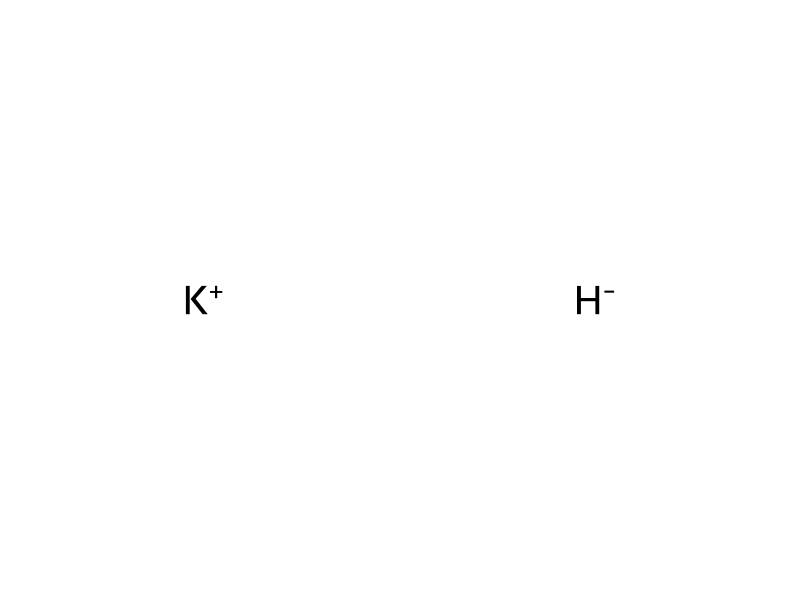
Starting from 1,3-dihydro-5(3,6-dihydro-6-methyl-2-oxo-2H-1,3,4-thiadiazin-5-yl)-3,3-dimethyl-2H-indol-2-one (Example 3), this compound was synthesised according to the method described for Example 23 using only one equivalent of potassium hydride and phenylacetyl chloride instead of isonicotinoyl chloride. If an excess of potassium hydride is used in this reaction (2 equivalents) a by-product (described in Example 28) is obtained as the major fraction.
Workup
- customthis compound was synthesised
- customis obtained as the major fraction
Sources & evidence
- ORD record
- ord-552b66937f6b4634a76b35243a51ab1b
- Source dataset
- uspto-grants-1990_06
- Patent number
- US04933336
Reaction notes
Loading…