Potassium Carbonate → 1-(4-tert-Butylphenyl)piperazine
Reaction equation

[C:1]([C:5]1[CH:11]=[CH:10][C:8]([NH2:9])=[CH:7][CH:6]=1)([CH3:4])([CH3:3])[CH3:2].Cl.Cl[CH2:14][CH2:15][NH2:16].Cl[CH2:18][CH2:19]N.C(=O)([O-])[O-].[K+].[K+].[OH-].[Na+]>COCCOCCOC.O>[C:1]([C:5]1[CH:6]=[CH:7][C:8]([N:9]2[CH2:19][CH2:18][NH:16][CH2:15][CH2:14]2)=[CH:10][CH:11]=1)([CH3:4])([CH3:2])[CH3:3]Participants
7





Procedure
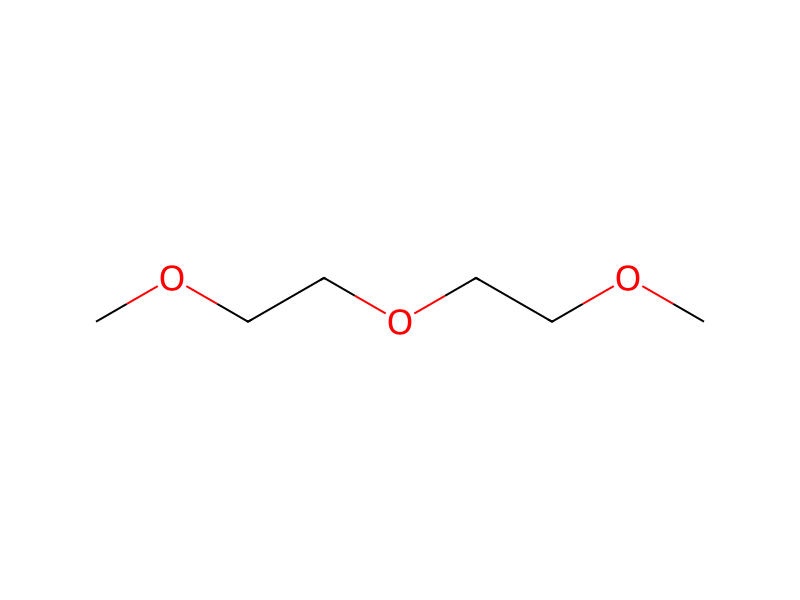
149 g (1 mole) of 4-tert-butylaniline, 178.5 g (1 mole) of bis-(2-chloroethylamine) hydrochloride and 138 g (1 mole) of potassium carbonate in 600 ml of diethylene glycol dimethyl ether are refluxed for 90 hours. The mixture is rendered strongly alkaline with 1 l of water and concentrated sodium hydroxide solution and stirred for 2 hours. The organic phase is extracted with 3×250 ml of methyl tert-butyl ether and the combined organic phases are washed with 2×250 ml of water, dried over sodium sulfate and evaporated down under reduced pressure. The residue is fractionated under reduced pressure to give 155 g (71% of theory) of a product of boiling point 114°-117° C./0.01 mbar and melting point 48°-52° C.
Workup
- extractionThe organic phase is extracted with 3×250 ml of methyl tert-butyl ether
- washthe combined organic phases are washed with 2×250 ml of water
- dry with materialdried over sodium sulfate
- customevaporated down under reduced pressure
- customto give 155 g (71% of theory) of a product of boiling point 114°-117° C./0.01 mbar and melting point 48°-52° C.
Sources & evidence
- ORD record
- ord-9ea31a70b32b4a1583dadda0727c1935
- Source dataset
- uspto-grants-1990_06
- Patent number
- US04935426
Reaction notes
Loading…