Hydrochloric Acid → HCID 178512479, compound
Reaction equation

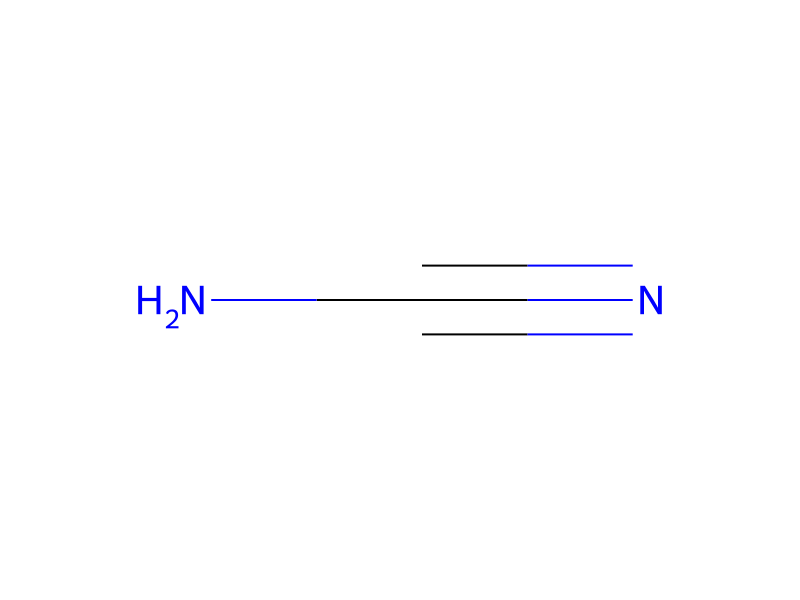
[NH2:1][C:2]1[CH:7]=[CH:6][C:5]([CH2:8][CH2:9][C:10]2[N:11]=[C:12]([NH:15][C:16](=[O:25])[O:17][CH2:18][C:19]3[CH:24]=[CH:23][CH:22]=[CH:21][CH:20]=3)[S:13][CH:14]=2)=[CH:4][CH:3]=1.[N:26]#[C:27][NH2:28].Cl>C(OCC)(=O)C.C(O)C>[NH2:28][C:27]([NH:1][C:2]1[CH:7]=[CH:6][C:5]([CH2:8][CH2:9][C:10]2[N:11]=[C:12]([NH:15][C:16]([O:17][CH2:18][C:19]3[CH:20]=[CH:21][CH:22]=[CH:23][CH:24]=3)=[O:25])[S:13][CH:14]=2)=[CH:4][CH:3]=1)=[NH:26]Participants
6





Conditions
- Temperature
- 100 °C
Procedure
A mixture of benzyl 4-[2-(4-aminophenyl)ethyl]-1,3-thiazol-2-ylcarbamate (25 mg), cyanamide (6.0 mg), 4N hydrogen chloride in ethyl acetate (0.018 ml) and ethanol (1 ml) was stirred at 100° C. for 72 hours. The reaction mixture was concentrated in vacuo. To the residue was added ethyl acetate (5 ml) and saturated aqueous sodium hydrogen bicarbonate (5 ml). The precipitated solid was filtered and washed with ethylacetate and water to give benzyl 4-[2-(4-{[amino(imino)methyl]amino}phenyl)ethyl]-1,3-thiazol-2-carbamate (15 mg).
Workup
- concentrationThe reaction mixture was concentrated in vacuo
- additionTo the residue was added ethyl acetate (5 ml) and saturated aqueous sodium hydrogen bicarbonate (5 ml)
- filtrationThe precipitated solid was filtered
- washwashed with ethylacetate and water
Sources & evidence
- ORD record
- ord-781bd4da14b74625866e199d9262dec0
- Source dataset
- uspto-grants-2008_10
- Patent number
- US07442715B2
Reaction notes
Loading…