Isopropanol → HCID 20194014, compound
Reaction equation

[CH:1]1[C:10]2[C:5](=[CH:6][CH:7]=[CH:8][CH:9]=2)[CH2:4][CH2:3][N:2]=1.[Cl:11][C:12]1[CH:19]=[CH:18][CH:17]=[CH:16][C:13]=1[CH2:14]Cl.[S:20]([O-:24])([OH:23])(=[O:22])=[O:21].C(O)(C)C>C(#N)C>[S:20]([O-:24])([OH:23])(=[O:22])=[O:21].[Cl:11][C:12]1[CH:19]=[CH:18][CH:17]=[CH:16][C:13]=1[CH2:14][N+:2]1[CH2:3][CH2:4][C:5]2[C:10](=[CH:9][CH:8]=[CH:7][CH:6]=2)[CH:1]=1Participants
6
Reactant 4


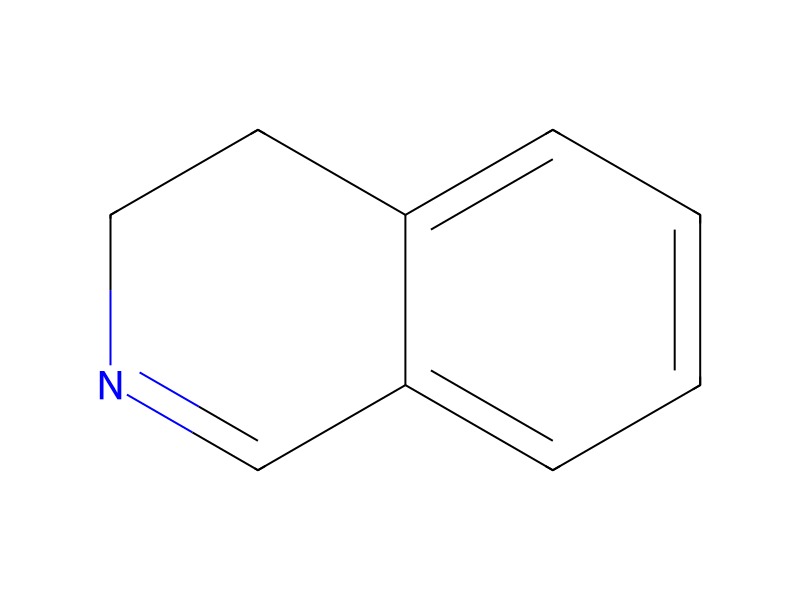
Product 1

Reagents, catalysts & solvents 1

Procedure
The title compound is prepared analogously to Example A from 3,4-dihydroisoquinoline and 2-chlorobenzyl chloride in acetonitrile. The melting point of the hydrogensulphate is 190°-192° C. (from isopropanol).
Workup
- customis 190°-192° C.
Sources & evidence
- ORD record
- ord-7a80b222e76b4858a969b9061ca94806
- Source dataset
- uspto-grants-1987_07
- Patent number
- US04678792
Reaction notes
Loading…