Potassium Carbonate → (R,R)-Stilbene oxide
Reaction equation

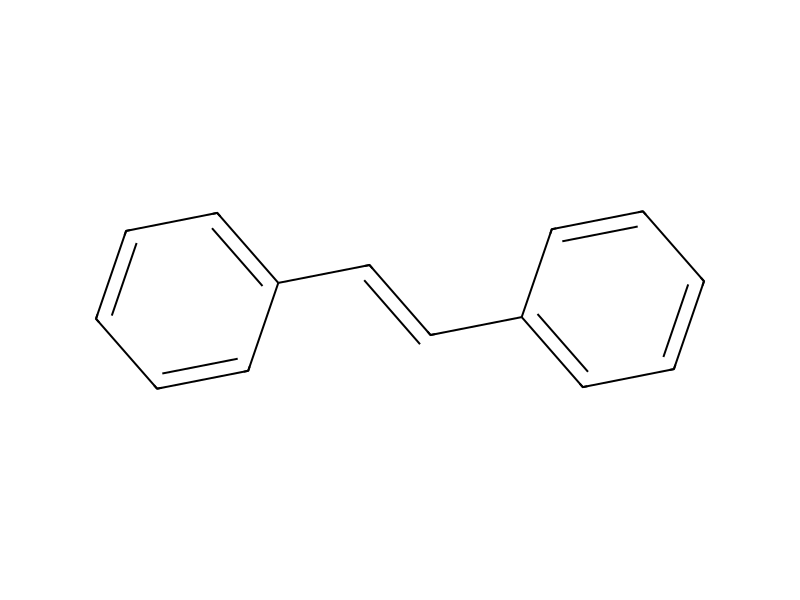
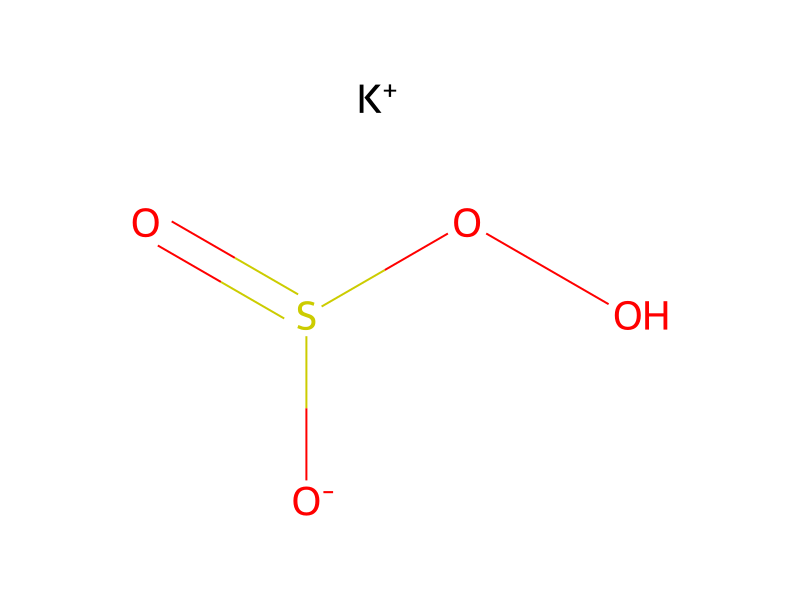
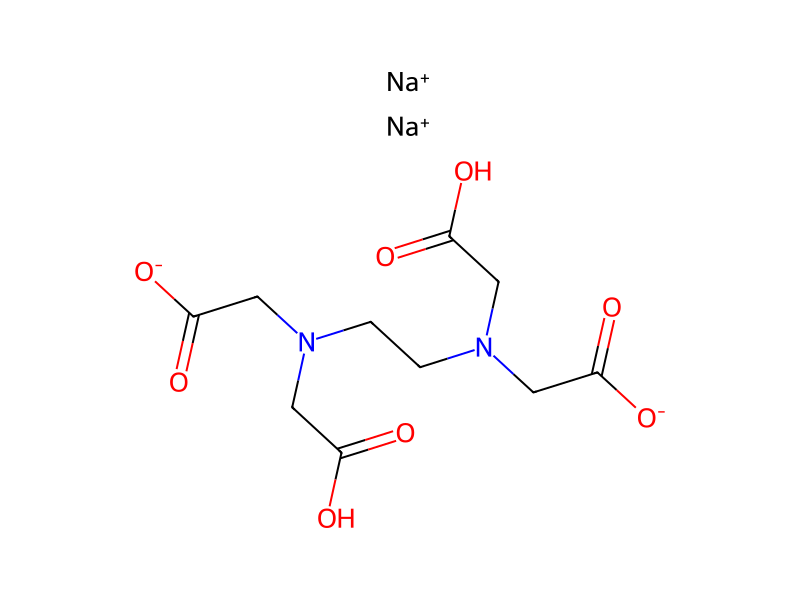
[C:1]1(/[CH:7]=[CH:8]/[C:9]2[CH:14]=[CH:13][CH:12]=[CH:11][CH:10]=2)[CH:6]=[CH:5][CH:4]=[CH:3][CH:2]=1.[OH:15]OS([O-])=O.[K+].C([O-])([O-])=O.[K+].[K+]>C(#N)C.C(N(CC([O-])=O)CC(O)=O)CN(CC([O-])=O)CC(O)=O.[Na+].[Na+].S([O-])(O)(=O)=O.C([N+](CCCC)(CCCC)CCCC)CCC.O>[CH:4]1[CH:3]=[CH:2][C:1]([C@H:7]2[O:15][C@@H:8]2[C:9]2[CH:10]=[CH:11][CH:12]=[CH:13][CH:14]=2)=[CH:6][CH:5]=1Participants
8
Reactant 3

Product 1

Reagents, catalysts & solvents 4



Procedure
Reaction at 0° C.: trans-Stilbene (0.181 g, 1 mmol) was dissolved in acetonitrile/DMM (15 mL, ½, V/V), subsequently were added buffer (10 mL, 0.05 M solution of Na2B4O7.H2O in 4×10⁻⁴ M aqueous Na2EDTA), tetrabutylammonium hydrogen sulfate (0.015 g, 0.04 mmol), and ketone 1 (0.0774 g, 0.3 mmol). The mixture was cooled by an ice bath. A solution of Oxone® (0.85 g, 1.38 mmol) in aqueous Na2EDTA (4×10⁻⁴ M, 6.5 mL) and a solution of K2CO3 (0.8 g, 5.8 mmol) in water (6.5 mL) were added dropwise separately over a period of 1.5 h (via syringe pumps or additional funnels). The reaction was then worked up by the same procedure as Method A to afford trans-stilbene oxide (0.153 g, 78% yield, 98.9% ee).
Workup
- customReaction at 0° C.
- temperatureThe mixture was cooled by an ice bath
Sources & evidence
- ORD record
- ord-589fd9ddf0144d1ab8b0cdc29ad6a9d1
- Source dataset
- uspto-grants-2004_02
- Patent number
- US06686483B2
Reaction notes
Loading…