Dimethylformamide → 3-Hydroxy-2-(1-methyl-1-phenylethyl)isoindolinone
Reaction equation

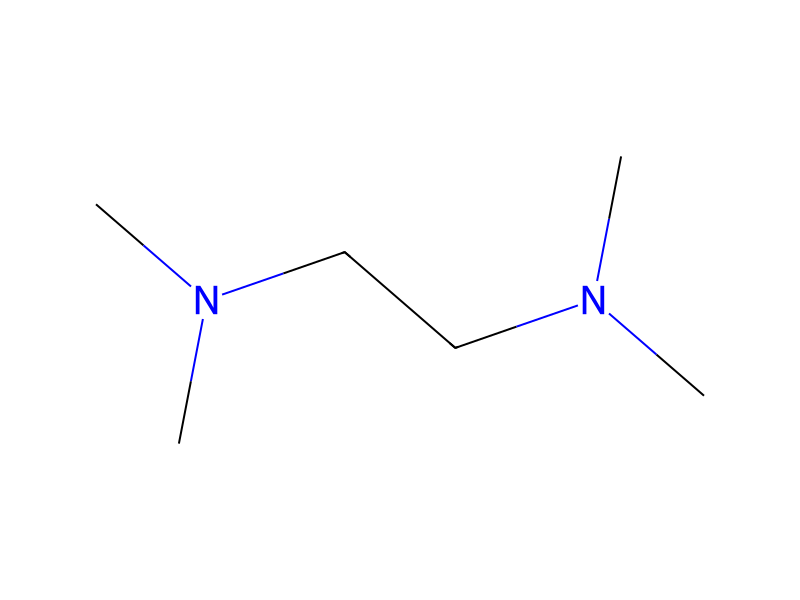
[CH3:1][C:2]([NH:10][C:11](=[O:18])[C:12]1[CH:17]=[CH:16][CH:15]=[CH:14][CH:13]=1)([C:4]1[CH:9]=[CH:8][CH:7]=[CH:6][CH:5]=1)[CH3:3].CN(CCN(C)C)C.CN([CH:30]=[O:31])C>C1COCC1>[OH:18][CH:11]1[C:12]2[C:13](=[CH:14][CH:15]=[CH:16][CH:17]=2)[C:30](=[O:31])[N:10]1[C:2]([CH3:1])([C:4]1[CH:9]=[CH:8][CH:7]=[CH:6][CH:5]=1)[CH3:3]Participants
5




Procedure
In a similar manner to Step 2 of Example 16. N-(1-methyl-1-phenylethyl)benzamide (5.00 g, 20.9 mmol) was dissolved in THF (200 mL), and the solution was treated with TMEDA (10.0 mL, 66.9 mmol), sec-butyl lithium-hexane solution (1.01 mol/L, 66.0 mL, 66.9 mmol) and DMF (3.60 mL, 46.0 mmol), followed by purification by slurry using diisopropylether to obtain 3-hydroxy-2-(1-methyl-1-phenylethyl)isoindolinone (5.40 g, yield 97%).
Workup
- customfollowed by purification by slurry
Sources & evidence
- ORD record
- ord-aeb0bc5aa9254bc8b8d75b96b970ae4c
- Source dataset
- uspto-grants-2010_06
- Patent number
- US07745641B2
Reaction notes
Loading…