m-Chloroperbenzoic acid → 4-Cyclopropylcarbonyl-5-[3-chloro-4-(methylsulphonyl)phenyl]isoxazole
Reaction equation

[Cl:1][C:2]1[CH:3]=[C:4]([C:10]2[O:14][N:13]=[CH:12][C:11]=2[C:15]([CH:17]2[CH2:19][CH2:18]2)=[O:16])[CH:5]=[CH:6][C:7]=1SC.Cl[C:21]1C=C(C=CC=1)C(OO)=O.[S:31](=[O:34])(O)[O-:32].[Na+]>ClCCl>[CH:17]1([C:15]([C:11]2[CH:12]=[N:13][O:14][C:10]=2[C:4]2[CH:5]=[CH:6][C:7]([S:31]([CH3:21])(=[O:34])=[O:32])=[C:2]([Cl:1])[CH:3]=2)=[O:16])[CH2:18][CH2:19]1Participants
5
Reactant 3


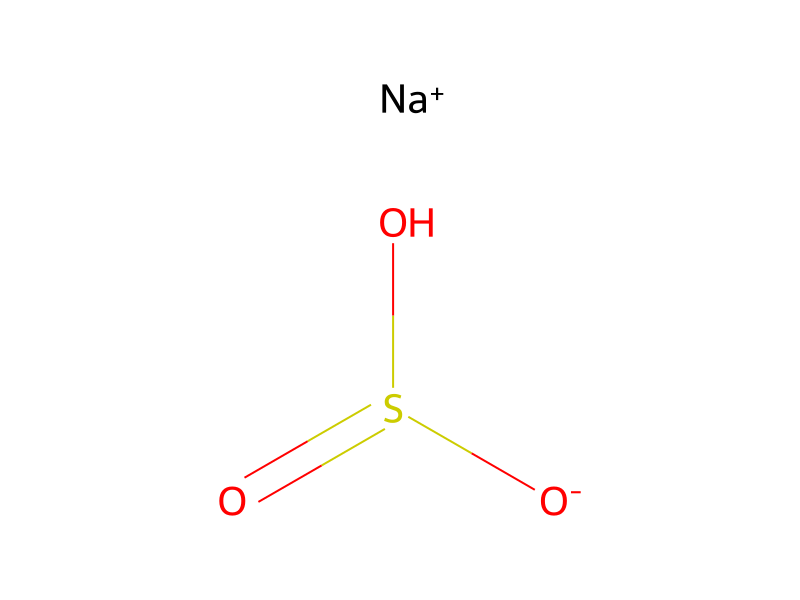
Product 1

Reagents, catalysts & solvents 1

Procedure
A mixture of 5-[3-chloro-4-(methylsulphenyl)phenyl]-4-cyclopropylcarbonyl-isoxazole (1.0g) and 3-chloroperoxybenzoic acid (2.3g, 50%) in dichloromethane was stirred overnight. A saturated solution of sodium bisulphite was added and the layers were separated. The organic phase was washed with sodium bicarbonate solution, water, dried (MgSO4) and filtered. The flitrate was evaporated to dryness to give 4-cyclopropylcarbonyl-5-[3-chloro-4-(methylsulphonyl)phenyl]isoxazole (compound 5, 1.11g) as a white solid, m.p. 148°-150° C.
Workup
- customthe layers were separated
- washThe organic phase was washed with sodium bicarbonate solution, water
- dry with materialdried (MgSO4)
- filtrationfiltered
- customThe flitrate was evaporated to dryness
Sources & evidence
- ORD record
- ord-e02f35406a32485781b112d02580c207
- Source dataset
- uspto-grants-1995_06
- Patent number
- US05424276
Reaction notes
Loading…