Dichloromethane → HCID 65019042, compound
Reaction equation

Cl[C:2]1[C:7]([CH3:8])=[CH:6][C:5]([N+:9]([O-:11])=[O:10])=[CH:4][N:3]=1.[CH3:12][O:13][C:14](=[O:22])[C:15]1[CH:20]=[CH:19][C:18]([OH:21])=[CH:17][CH:16]=1.C([O-])([O-])=O.[K+].[K+].C(Cl)Cl>CC(C)=O>[CH3:8][C:7]1[C:2]([O:21][C:18]2[CH:17]=[CH:16][C:15]([C:14]([O:13][CH3:12])=[O:22])=[CH:20][CH:19]=2)=[N:3][CH:4]=[C:5]([N+:9]([O-:11])=[O:10])[CH:6]=1Participants
6
Reactant 4

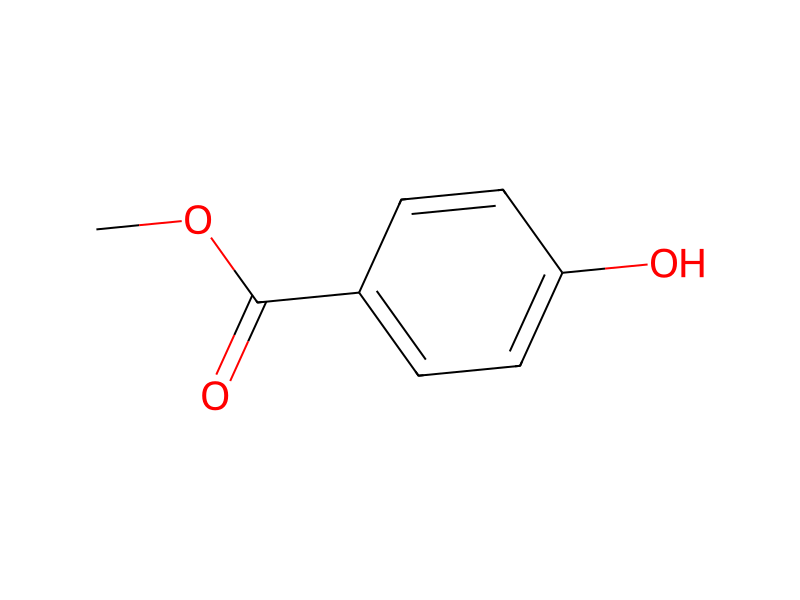


Product 1

Reagents, catalysts & solvents 1

Procedure
A mixture of commercial 2-chloro-3-methyl-5-nitro-pyridine (0.5 g, 2.88 mmol), 4-hydroxy-benzoic acid methyl ester (0.45 g, 2.96 mmol) and K2CO3 (0.398 g, 2.90 mmol) in anhydrous acetone (20 ml) was refluxed for 15 h. After cooling to room temperature, the precipitate was filtered and washed with acetone (2×10 ml). The filtrates were concentrated at reduced pressure and the residue was purified by column chromatography (eluting with DCM/hexane 5:1 then DCM) to provide methyl 4-(3-methyl-5-nitropyridin-2-yloxy)benzoate (0.788 g, 95% yield).
Workup
- temperaturewas refluxed for 15 h
- filtrationthe precipitate was filtered
- washwashed with acetone (2×10 ml)
- concentrationThe filtrates were concentrated at reduced pressure
- customthe residue was purified by column chromatography (
- washeluting with DCM/hexane 5:1
Sources & evidence
- ORD record
- ord-85af5429c02f4fef9421db90b061fa45
- Source dataset
- uspto-grants-2012_06
- Patent number
- US08193192B2
Reaction notes
Loading…