Benzene → 16282-50-1
Reaction equation

[I-].[H-].[Na+].[O:4]1[CH2:6][CH2:5]1.[C:7]1(C)[CH:12]=[CH:11][C:10](S(O)(=O)=O)=[CH:9][CH:8]=1.B(F)(F)F.CCOCC.[CH:27]1[CH:32]=[CH:31]C=CC=1>>[CH:31]1([CH:6]([C:7]2[CH:8]=[CH:9][CH:10]=[CH:11][CH:12]=2)[CH:5]=[O:4])[CH2:32][CH2:27]1Participants






Procedure
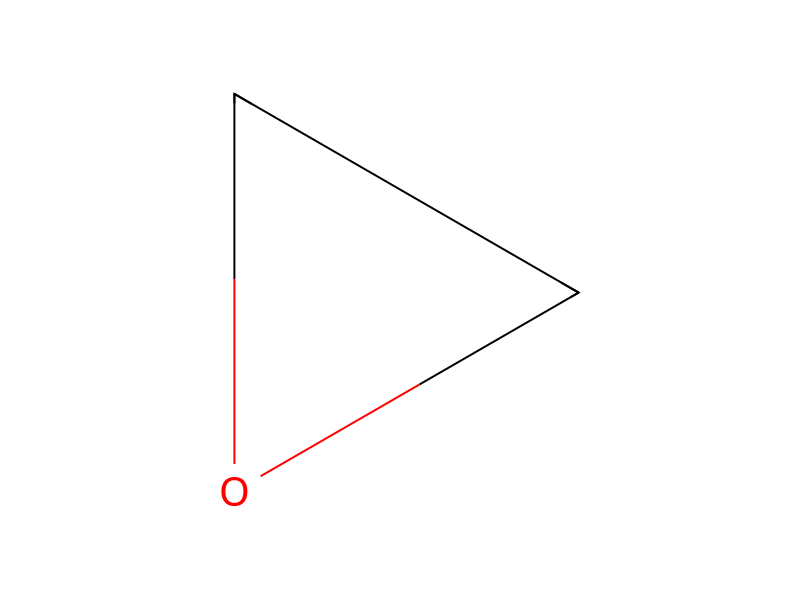
Reaction scheme 2 starts from the same cyclopropyl phenyl ketone but in the first step of the reaction, the ketone is reacted with dimethyloxosulphonium methylide, for example in dimethylsulphoxide for about 24 hours. The reagent used is an ylide of formula (CH3)2S+O-C-H2 which is obtainable by reacting dimethyl sulphoxide with methyl iodide to form a quaternary iodide and reacting the quaternary iodide with sodium hydride. The reaction with the ylide forms a stable oxirane intermediate which rearranges under the influence of heat and acid, for example by heating in benzene with p-toluene sulphonic acid or boron trifluoride etherate to form α-cyclopropyl-phenylacetaldehyde which can be oxidised to the corresponding acetic acid by a similar method to that described above.
Workup
- temperatureof heat
Sources & evidence
- ORD record
- ord-1d525578f7c442b48bcf79c9b34ac688
- Source dataset
- uspto-grants-1979_01
- Patent number
- US04137324
Reaction notes
Loading…