Hydrochloric Acid → HCID 13394285, compound
Reaction equation

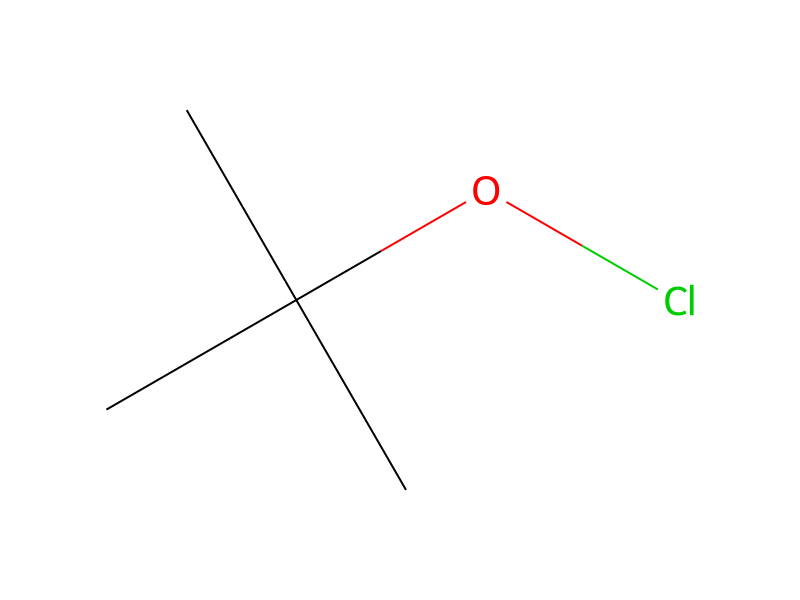
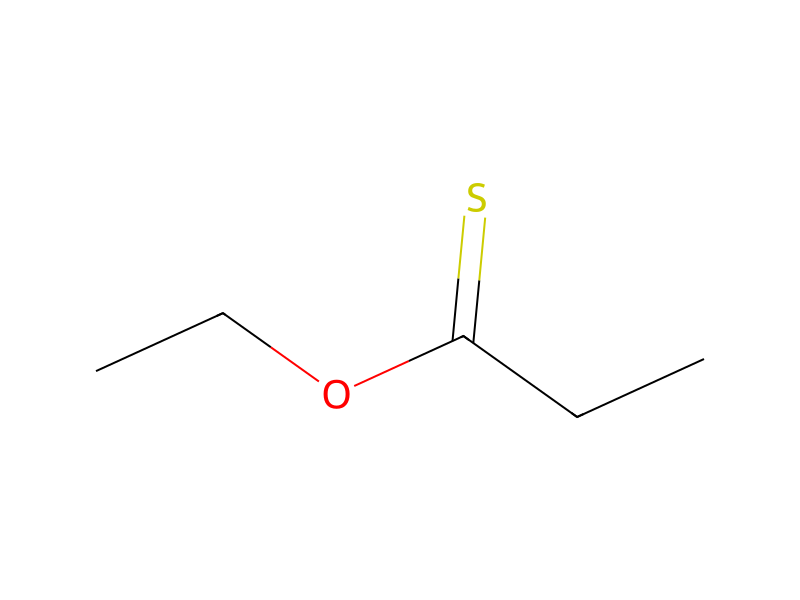
[NH2:1][C:2]1[CH:16]=[CH:15][C:14]([F:17])=[CH:13][C:3]=1[C:4]([C:6]1[CH:11]=[CH:10][C:9]([F:12])=[CH:8][CH:7]=1)=[O:5].CC[C:20](OCC)=[S:21].[C:25]([O:29]Cl)(C)(C)[CH3:26].C(N(CC)CC)C.Cl>C(Cl)Cl>[F:17][C:14]1[CH:15]=[C:16]2[C:2](=[C:3]([C:4](=[O:5])[C:6]3[CH:7]=[CH:8][C:9]([F:12])=[CH:10][CH:11]=3)[CH:13]=1)[NH:1][C:25](=[O:29])[CH:26]2[S:21][CH3:20]Participants





Conditions
- Temperature
- -70 °C
Procedure
A solution of 46.6 g (0.2 mole) of 2-amino-4',5-difluorobenzophenone in 1300 ml of methylene chloride was cooled to -65° C. and 26.8 g (0.2 mole) of ethyl methylthioacetate was added. The cold mixture was stirred vigorously while 23.0 g (0.2 mole) of 95% tertiary butoxy chloride was added dropwise. The mixture was stirred at -70° C. for one hour, then 23 g (0.22 mole) of triethylamine was added. The mixture was allowed to warm to room temperature and 10 ml of concentrated hydrochloric acid was added. The mixture was heated at reflux with vigorous stirring for 2 hrs. The organic phase was separated and the residue was crystallized from ethyl acetate to give 28.9 g (45%) of the titled compound as off-white crystals, m.p. 171.0°-172.5° C.
Workup
- additionwas added dropwise
- temperatureto warm to room temperature
- temperatureThe mixture was heated
- temperatureat reflux
- stirringwith vigorous stirring for 2 hrs
- customThe organic phase was separated
- customthe residue was crystallized from ethyl acetate
Sources & evidence
- ORD record
- ord-b333af6489a14fb982b6006eb2da663b
- Source dataset
- uspto-grants-1985_03
- Patent number
- US04503073
Reaction notes
Loading…