Sulfur Dioxide → Sulfite
Reaction equation

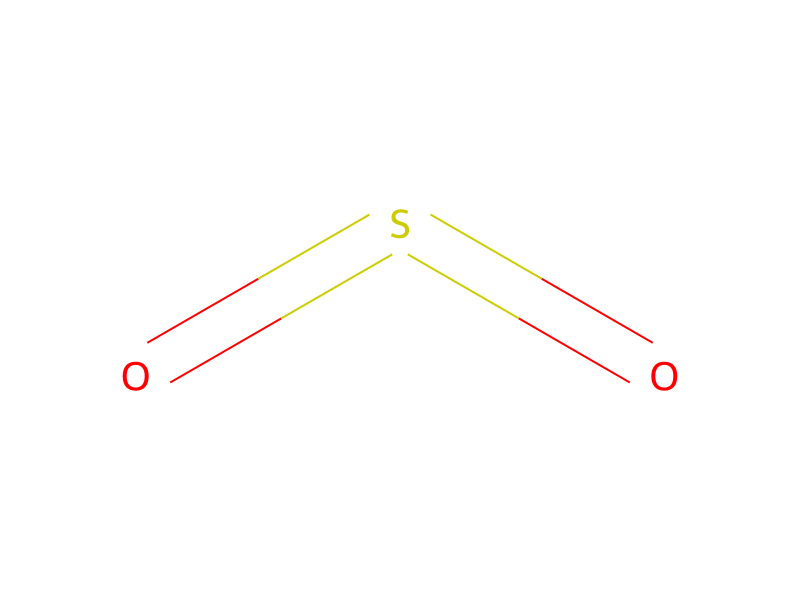
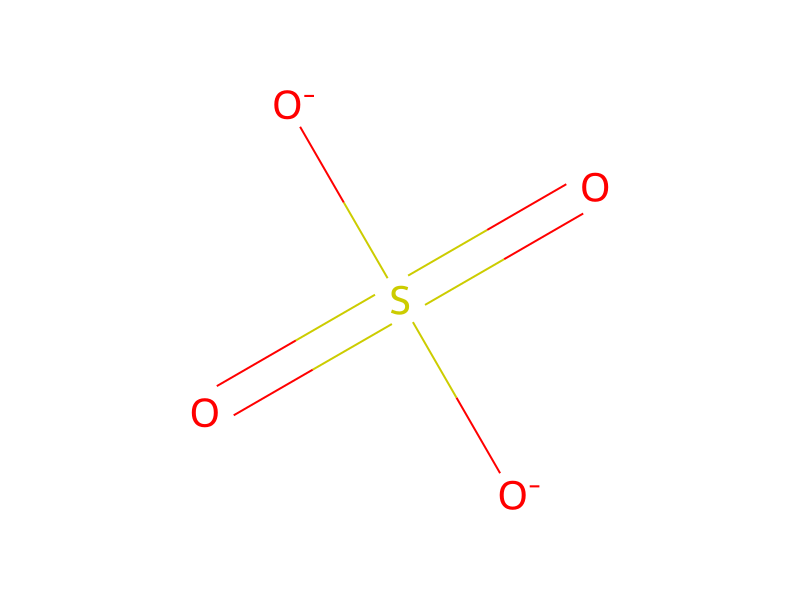
[OH-].[Ca+2].[OH-].[S:4]([O-:7])([O-:6])=[O:5].[Ca+2].[S:9]([O-:13])([O-:12])(=[O:11])=[O:10].[Ca+2].S(=O)=O>>[S:4]([O-:7])([O-:6])=[O:5].[S:9]([O-:13])([O-:12])(=[O:11])=[O:10]Participants


Procedure
While the flue gas and entrained droplets of reactant are enroute to the collecting member, a substantial portion of the sulfur oxides in the flue gas is absorbed into the droplets and reacts with reactant to form particles of sulfite and sulfate compounds. For example, if slaked lime is used as a reactant, the reactant particles are converted to calcium sulfite, calcium sulfate and the corresponding hydrates. Thus, the mat of bonded particles accumulating on the collection member is made up of partially dried particles of the reaction product and unreacted reactant, as well as particulate material such as fly ash. As the flue gas flows through the pores of the mat, it contacts the moist particles of unreacted reactant and sulfur dioxide reacts therewith to form sulfite and sulfate compounds.
Workup
- customreacts
Sources & evidence
- ORD record
- ord-fc245cbe34b34a0e8bee7b832617d34d
- Source dataset
- uspto-grants-1985_03
- Patent number
- US04504451
Reaction notes
Loading…