Anisole → 3-Phenylthio-7-oxobicyclo[3.2.0]hept-2-en-2-carboxylic Acid
Reaction equation

[C:1]1([S:7][C:8]2[CH2:14][CH:13]3[CH:10]([C:11](=[O:15])[CH2:12]3)[C:9]=2[C:16]([O:18]C(C2C=CC=CC=2)C2C=CC=CC=2)=[O:17])[CH:6]=[CH:5][CH:4]=[CH:3][CH:2]=1.C1(OC)C=CC=CC=1>FC(F)(F)C(O)=O>[C:1]1([S:7][C:8]2[CH2:14][CH:13]3[CH:10]([C:11](=[O:15])[CH2:12]3)[C:9]=2[C:16]([OH:18])=[O:17])[CH:2]=[CH:3][CH:4]=[CH:5][CH:6]=1Participants
4
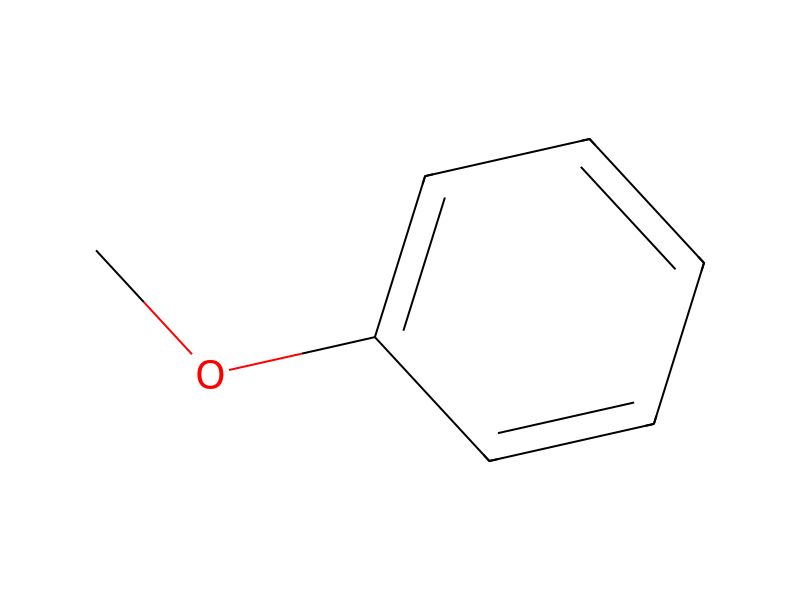


Procedure
A solution of 150 mg of 3-phenylthio-7-oxobicyclo[3.2.0]hept-2-en-2-carboxylic acid, diphenylmethyl ester, and 135 mg of anisole in 3 mL of trifluoroacetic acid was stirred at room temperature for 15 min. The solvent was removed with a stream of nitrogen leaving a residual oil which when triturated with ether afforded 77 mg (84%) of colorless crystals of 3-phenylthio-7-oxobicyclo[3.2.0]hept-2-en-2-carboxylic acid. NMR (220 MHz; CDCl3): δ 2.27 (1H, dd, J=17, 3), 2.75 (1H, m), 2.68 (1H, m), 3.0-3.25 (1H, m), 4.50 (1H, m), 7.2-7.4 (3H, m), and 7.4-7.6 (2H, m).
Workup
- customThe solvent was removed with a stream of nitrogen leaving a residual oil which when
- customtriturated with ether
Sources & evidence
- ORD record
- ord-b046c95ea2f544e6ac95c273c2af1ab1
- Source dataset
- uspto-grants-1985_03
- Patent number
- US04505905
Reaction notes
Loading…