1,2-Dimethylhydrazine → 3-(2-Aminoethylamino)-1,2,4-trimethylpyrazol-5-one
Reaction equation

Cl[C:2]1[N:3]([CH3:10])[N:4]([CH3:9])[C:5](=[O:8])[C:6]=1[CH3:7].OC1N(C)[N:14](C)[C:15](=O)[C:16]=1C.CC(C(OCC)=O)C(OCC)=O.C[NH:34]NC.P(Cl)(Cl)(Cl)=O>>[NH2:34][CH2:16][CH2:15][NH:14][C:2]1[N:3]([CH3:10])[N:4]([CH3:9])[C:5](=[O:8])[C:6]=1[CH3:7]Participants




Procedure
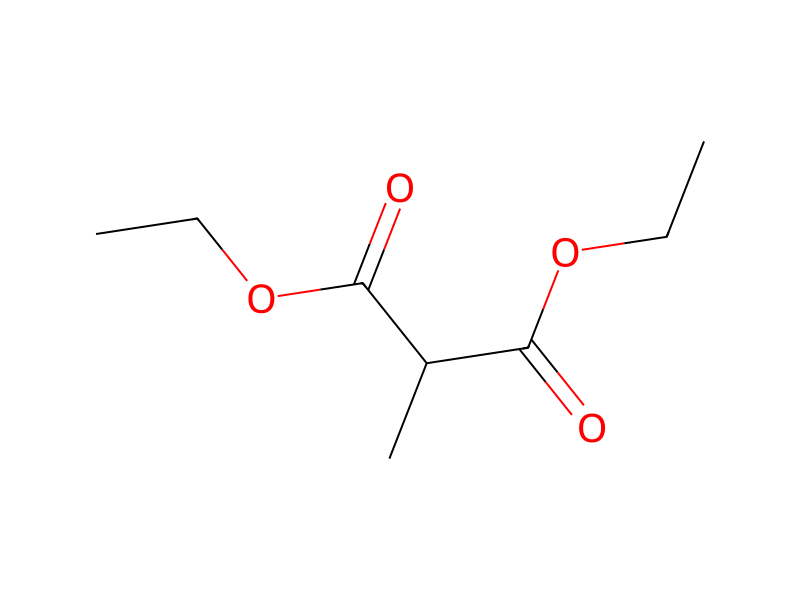
The 3-chloro-1,2,4-trimethylpyrazol-5-one used as starting material can be obtained in the following manner: 28.6 g. 3-hydroxy-1,2,4-trimethylpyrazol-5-one (m.p. 87°-89° C., after recrystallization from ethyl acetate), prepared from diethyl methylmalonate and N,N'-dimethylhydrazine, are boiled under reflux for 3.5 hours with 55 ml. phosphorus oxychloride. The reaction mixture is then evaporated and the residue is stirred with ice and water, rendered alkaline by the addition of 10N aqueous sodium hydroxide solution and extracted 8 times with 100 ml. amounts of methylene chloride. The combined extracts are then dried and evaporated to give 24.7 g. (76.5% of theory) 3-chloro-1,2,4-trimethylpyrazol-5-one in the form of colorless crystals; m.p. 37°-38° C.
Workup
- customcan be obtained in the following manner
- temperatureunder reflux for 3.5 hours with 55 ml
- customThe reaction mixture is then evaporated
- additionby the addition of 10N aqueous sodium hydroxide solution
- extractionextracted 8 times with 100 ml
- customThe combined extracts are then dried
- customevaporated
- customto give 24.7 g
Sources & evidence
- ORD record
- ord-fb3ef9226dad4925a7e1936de36c70f8
- Source dataset
- uspto-grants-1985_03
- Patent number
- US04507488
Reaction notes
Loading…