Hydrogen Cyanide → 2-Amino-3-phenylpropanenitrile
Reaction equation

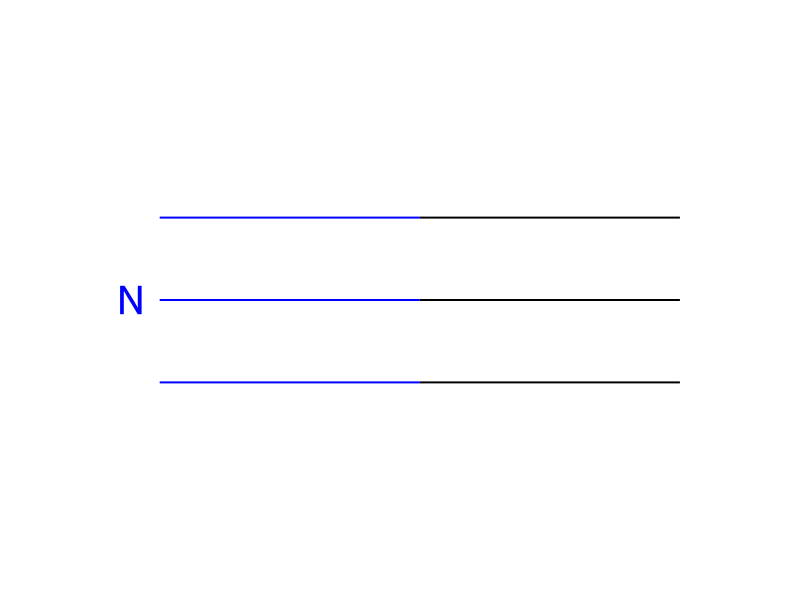
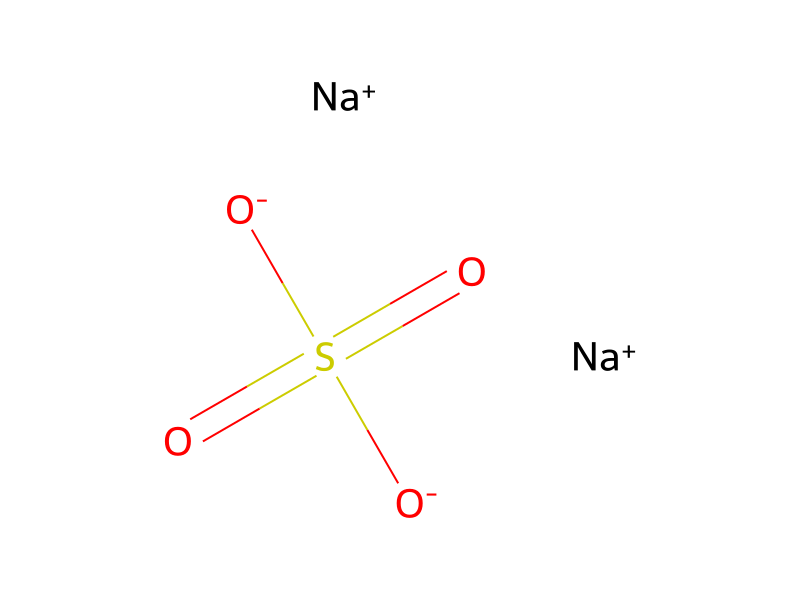
[CH2:1]([C:8]#[N:9])[C:2]1[CH:7]=[CH:6][CH:5]=[CH:4][CH:3]=1.[H-].C([Al+]CC(C)C)C(C)C.[CH:20]#[N:21].S([O-])([O-])(=O)=O.[Na+].[Na+]>C1(C)C=CC=CC=1.O1CCCC1.CO>[NH2:9][CH:8]([CH2:1][C:2]1[CH:7]=[CH:6][CH:5]=[CH:4][CH:3]=1)[C:20]#[N:21]Participants
8






Conditions
- Temperature
- 0 °C
Procedure
1 millimoles (0.117 g) of benzyl cyanide is dissolved in 1 ml of anhydrous toluene, at 0° C., under an argon atmosphere. 1.5 millimoles of a toluenic solution 1.5 M of diisobutylaluminum hydride (1 ml) are added dropwise at this temperature. The reaction mixture is maintained at 0° C. for 1 hour, then a solution of hydrocyanic acid (in excess) in tetrahydrofuran is added to this mixture, which is then maintained at room temperature for 3 hours, then hydrolyzed with 4 ml of methanol and pasty sodium sulfate. After an acid-base extraction, there are obtained 0.107 g of 2-amino-3-phenyl-propionitrile, in the form of a pale-yellow oil, with a yield of 70%.
Workup
- temperatureis then maintained at room temperature for 3 hours
- extractionAfter an acid-base extraction, there
Sources & evidence
- ORD record
- ord-36c86ef31fa542d382ca30700ee346eb
- Source dataset
- uspto-grants-1990_07
- Patent number
- US04942221
Reaction notes
Loading…