Water → Indirubin-3'-monoxime
Reaction equation

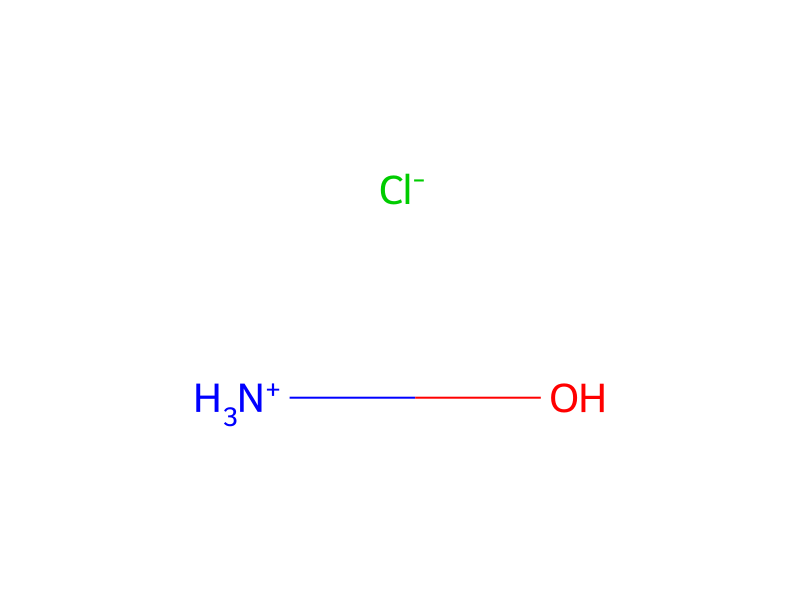
[CH:1]1[CH:2]=[CH:3][C:4]2[NH:9][C:8]([OH:10])=[C:7]([C:11]3[C:19](=O)[C:18]4[CH:17]=[CH:16][CH:15]=[CH:14][C:13]=4[N:12]=3)[C:5]=2[CH:6]=1.[Cl-].[OH:22][NH3+:23].O>N1C=CC=CC=1>[CH:1]1[CH:2]=[CH:3][C:4]2[NH:9][C:8]([OH:10])=[C:7]([C:11]3[NH:12][C:13]4[CH:14]=[CH:15][CH:16]=[CH:17][C:18]=4[C:19]=3[N:23]=[O:22])[C:5]=2[CH:6]=1Participants
5
Reactant 3


Product 1

Reagents, catalysts & solvents 1

Procedure
Indirubin (0.64 g, 2.4 mmol) was dissolved in anhydrous pyridine (25 mL), and hydroxylammonium chloride (1.67 g, 24 mmol) was added to the solution. The reaction liquid was heated and refluxed for 2.5 hours and then cooled to room temperature. The reaction liquid was poured into water (100 mL), and the precipitated crude crystals were collected by suction filtration. The resulting crude crystals were recrystallized from methanol/water to give red needle-shaped crystals of indirubin-3′-oxime (0.60 g, 89%).
Workup
- customThe reaction liquid
- temperaturewas heated
- temperaturerefluxed for 2.5 hours
- customThe reaction liquid
- customthe precipitated crude crystals
- filtrationwere collected by suction filtration
- customThe resulting crude crystals were recrystallized from methanol/water
Sources & evidence
- ORD record
- ord-39632d1f5b3d4e7081ce75a444af585b
- Source dataset
- uspto-grants-2015_06
- Patent number
- US09051306B2
Reaction notes
Loading…