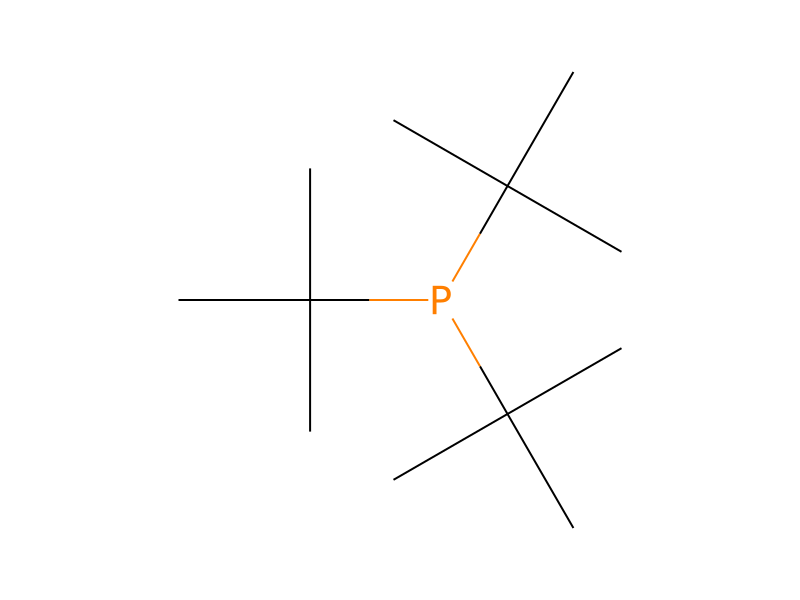
Tris(1,1-dimethylethyl)phosphine → N-Phenyl-2-{4-[3-(dibenzothiophen-4-yl)-9H-carbazol-9-yl]phenyl}benzimidazole
Reaction equation

[C:1]1([N:7]2[C:11]3[CH:12]=[CH:13][CH:14]=[CH:15][C:10]=3[N:9]=[C:8]2[C:16]2[CH:21]=[CH:20][C:19](Br)=[CH:18][CH:17]=2)[CH:6]=[CH:5][CH:4]=[CH:3][CH:2]=1.[CH:23]1[C:31]2[C:30]3[CH:32]=[CH:33][CH:34]=[CH:35][C:29]=3[S:28][C:27]=2[C:26]([C:36]2[CH:37]=[CH:38][C:39]3[NH:40][C:41]4[C:46]([C:47]=3[CH:48]=2)=[CH:45][CH:44]=[CH:43][CH:42]=4)=[CH:25][CH:24]=1.C(P(C(C)(C)C)C(C)(C)C)(C)(C)C.CC(C)([O-])C.[Na+]>C1(C)C=CC=CC=1.C1C=CC(/C=C/C(/C=C/C2C=CC=CC=2)=O)=CC=1.C1C=CC(/C=C/C(/C=C/C2C=CC=CC=2)=O)=CC=1.[Pd].CCCCCC>[C:1]1([N:7]2[C:11]3[CH:12]=[CH:13][CH:14]=[CH:15][C:10]=3[N:9]=[C:8]2[C:16]2[CH:21]=[CH:20][C:19]([N:40]3[C:39]4[CH:38]=[CH:37][C:36]([C:26]5[C:27]6[S:28][C:29]7[CH:35]=[CH:34][CH:33]=[CH:32][C:30]=7[C:31]=6[CH:23]=[CH:24][CH:25]=5)=[CH:48][C:47]=4[C:46]4[C:41]3=[CH:42][CH:43]=[CH:44][CH:45]=4)=[CH:18][CH:17]=2)[CH:6]=[CH:5][CH:4]=[CH:3][CH:2]=1Participants
Reactant 4



Product 1

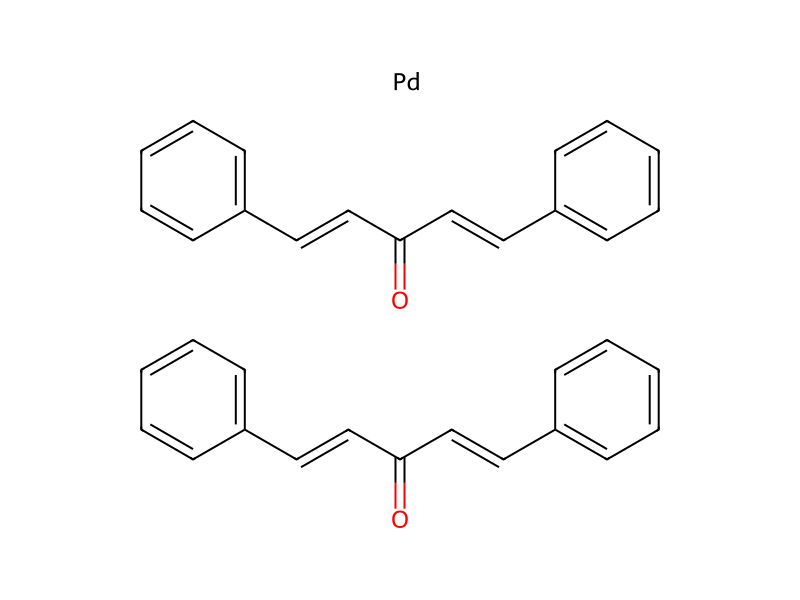
Reagents, catalysts & solvents 3


Conditions
- Temperature
- 80 °C
Procedure
In a 100-mL three-neck flask were put 0.36 g (1.0 mmol) of N-phenyl-2-(4-bromophenyl)benzimidazole and 0.36 g (1.0 mmol) of 3-(dibenzothiophen-4-yl)-9H-carbazole, and the air in the flask was replaced with nitrogen. To this mixture were added 10 mL of toluene, 0.10 mL of tri(tert-butyl)phosphine (a 10 wt % hexane solution), 0.15 g (4.3 mmol) of sodium tert-butoxide. This mixture was degassed while being stirred under reduced pressure. After this mixture was heated to 80° C., 5.0 mg (0.025 mmol) of bis(dibenzylideneacetone)palladium(0) was added thereto, and then the mixture was stirred at 80° C. for 3 hours. After the stirring, 14 mg (0.025 mmol) of bis(dibenzylideneacetone)palladium(0) was added to this mixture, and then it was further stirred at 110° C. for 7.5 hours. After the stirring, about 30 mL of toluene was added to the mixture, and then it was stirred at 80° C. This mixture was subjected to hot filtration with ethyl acetate through Celite (produced by Wako Pure Chemical Industries, Ltd., Catalog No. 531-16855), Florisil (produced by Wako Pure Chemical Industries, Ltd., Catalog No. 540-00135), and alumina. The obtained filtrate was concentrated to give a white solid. The obtained solid was dissolved in toluene. The mixture was purified by silica gel column chromatography (a developing solvent in which the hexane/ethyl acetate ratio was 4:1), and further recrystallized from toluene/hexane, so that 0.41 g of a white solid was obtained in 65% yield. The synthesis scheme of Step 2 is illustrated in (b-1).
Workup
- customIn a 100-mL three-neck flask were put
- customThis mixture was degassed
- stirringthe mixture was stirred at 80° C. for 3 hours
- stirringit was further stirred at 110° C. for 7.5 hours
- stirringit was stirred at 80° C
- filtrationThis mixture was subjected to hot filtration with ethyl acetate through Celite (produced by Wako Pure Chemical Industries, Ltd., Catalog No. 531-16855), Florisil (produced by Wako Pure Chemical Industries, Ltd., Catalog No. 540-00135), and alumina
- concentrationThe obtained filtrate was concentrated
- customto give a white solid
- customThe mixture was purified by silica gel column chromatography (a developing solvent in which the hexane/ethyl acetate ratio
- customfurther recrystallized from toluene/hexane, so that 0.41 g of a white solid
- customwas obtained in 65% yield
- customThe synthesis scheme of Step 2
Sources & evidence
- ORD record
- ord-06ef8c9e00bc4bbd9a4bb843d53faf72
- Source dataset
- uspto-grants-2015_06
- Patent number
- US09065058B2
Reaction notes
Loading…