Indole → HCID 10912416, compound
Reaction equation

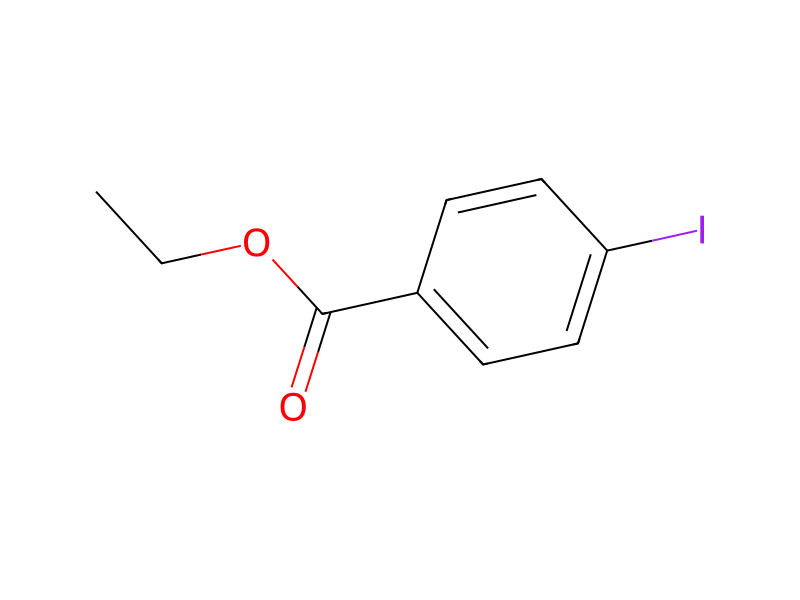
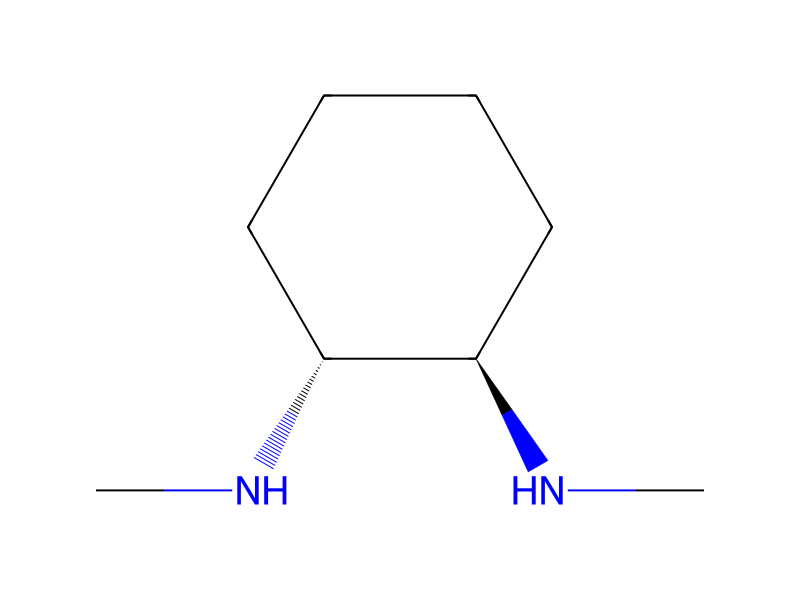
[NH:1]1[C:9]2[C:4](=[CH:5][CH:6]=[CH:7][CH:8]=2)[CH:3]=[CH:2]1.[CH2:10]([O:12][C:13](=[O:21])[C:14]1[CH:19]=[CH:18][C:17](I)=[CH:16][CH:15]=1)[CH3:11].[O-]P([O-])([O-])=O.[K+].[K+].[K+].CN[C@@H]1CCCC[C@H]1NC>[Cu]I.C1(C)C=CC=CC=1>[CH2:10]([O:12][C:13]([C:14]1[CH:19]=[CH:18][C:17]([N:1]2[C:9]3[C:4](=[CH:5][CH:6]=[CH:7][CH:8]=3)[CH:3]=[CH:2]2)=[CH:16][CH:15]=1)=[O:21])[CH3:11]Participants
7
Reactant 4


Product 1

Reagents, catalysts & solvents 2


Procedure
Using the general procedure, indole (0.117 g, 1.00 mmol) was coupled at 80° C. with ethyl-4-iodobenzoate (0.331 g, 1.20 mmol) using CuI (9.5 mg, 0.050 mmol, 5.0 mol %), K3PO4 (2.1 mmol), trans-N,N′-dimethyl-1,2-cyclohexanediamine (32 μL, 0.20 mmol, 20 mol %) and toluene (1.0 mL) to give the crude product. The above product was identified by comparison (GC) to a previously prepared sample and the GC yield was determined to be 96%.
Sources & evidence
- ORD record
- ord-ae448485cd1044b499c13c9a2b4013ec
- Source dataset
- uspto-grants-2015_06
- Patent number
- US09067955B2
Reaction notes
Loading…