Dichloromethane → HCID 22490923, compound
Reaction equation

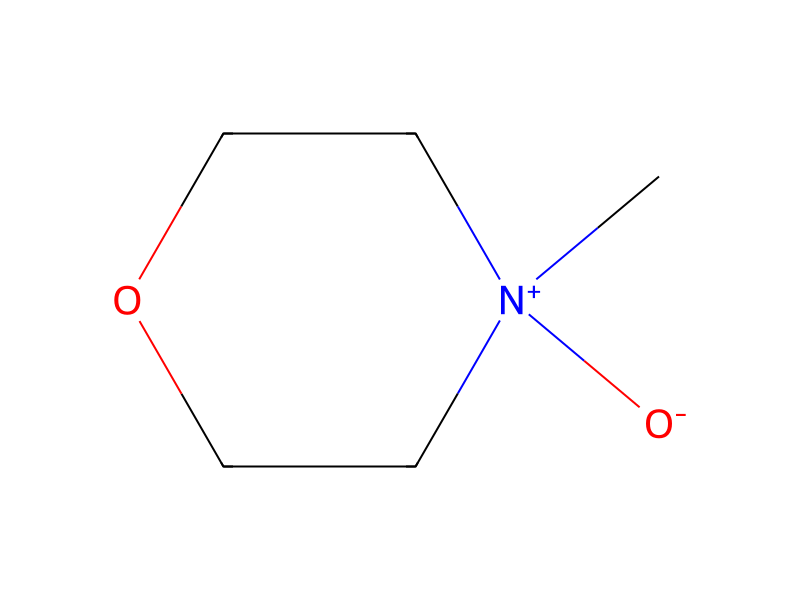
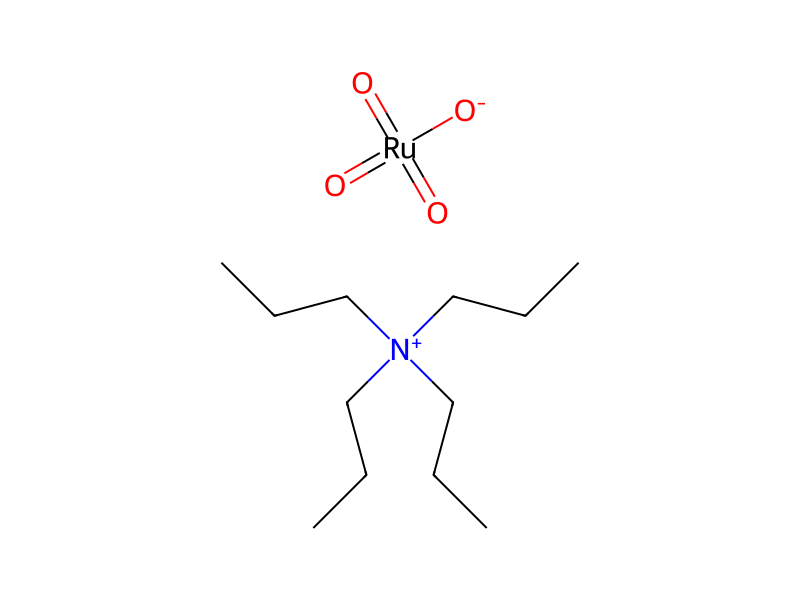
[F:1]/[C:2](=[C:5](/[C:7]1[CH:16]=[C:15]2[C:10]([C:11]([CH3:21])([CH3:20])[CH2:12][CH:13]=[C:14]2[CH:17]([CH3:19])[CH3:18])=[CH:9][C:8]=1[O:22][CH2:23][CH3:24])\[CH3:6])/[CH2:3][OH:4].C[N+]1([O-])CCOCC1.ClCCl>C(#N)C.[Ru]([O-])(=O)(=O)=O.C([N+](CCC)(CCC)CCC)CC>[F:1]/[C:2](=[C:5](/[C:7]1[CH:16]=[C:15]2[C:10]([C:11]([CH3:21])([CH3:20])[CH2:12][CH:13]=[C:14]2[CH:17]([CH3:19])[CH3:18])=[CH:9][C:8]=1[O:22][CH2:23][CH3:24])\[CH3:6])/[CH:3]=[O:4]Participants
6
Reactant 3


Product 1

Reagents, catalysts & solvents 2

Procedure
As described in General Procedure H-1, (2E)-2-fluoro-3-(4,4-dimethyl-6-ethoxy-1-isopropyl-3,4-dihydronaphthalen-7-yl)-2-butenol (Compound A-52, 0.180 g, 0.54 mmol), tetrapropylammonium perruthenate (0.027 g, 0.081 mmol) and 4-methylmorpholine N-oxide (0.158 g, 1.35 mmol) were reacted in acetonitrile (1.5 mL) and dichloromethane (7.5 mL) to give the title compound.
Sources & evidence
- ORD record
- ord-9fae947eb2cc4a7c8ec4591249391a25
- Source dataset
- uspto-grants-2005_05
- Patent number
- US06887896B1
Reaction notes
Loading…