Hydrochloric Acid → 1-[4′-(Acetyloxy)[1,1′-biphenyl]-4-yl]-2-bromoethanone
Reaction equation

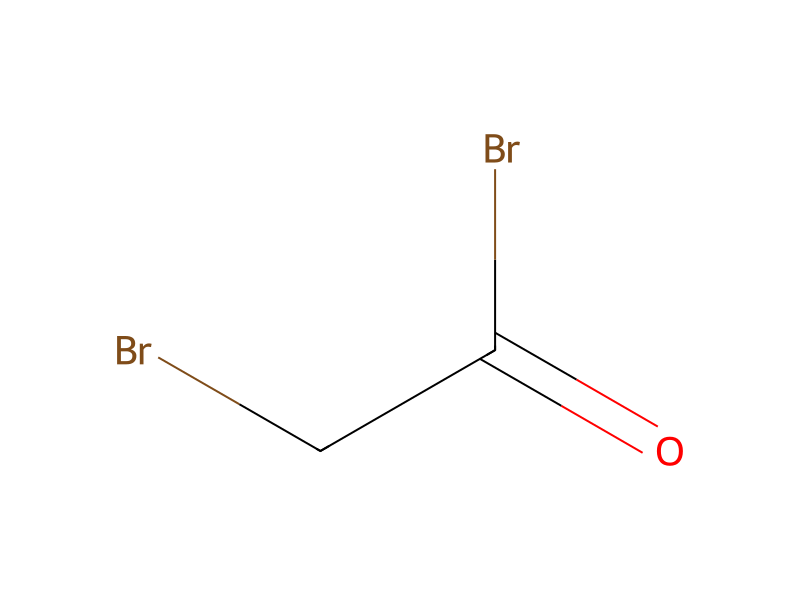
[C:1]([O:4][C:5]1[CH:10]=[CH:9][C:8]([C:11]2[CH:16]=[CH:15][CH:14]=[CH:13][CH:12]=2)=[CH:7][CH:6]=1)(=[O:3])[CH3:2].[Br:17][CH2:18][C:19](Br)=[O:20].[Cl-].[Al+3].[Cl-].[Cl-].Cl>ClCCl>[C:1]([O:4][C:5]1[CH:10]=[CH:9][C:8]([C:11]2[CH:16]=[CH:15][C:14]([C:19](=[O:20])[CH2:18][Br:17])=[CH:13][CH:12]=2)=[CH:7][CH:6]=1)(=[O:3])[CH3:2]Participants
6





Conditions
- Temperature
- 0 °C
Procedure
A solution of 50 g (236 mmol) of [1,1′-biphenyl]-4-yl acetate in 500 ml dichloromethane was placed under argon and cooled to 0° C. Bromoacetyl bromide (31.6 ml, 363 mmol) was added, followed by aluminium chloride (94.3 g, 707 mmol) which was added in portions under vigorous stirring over 30 min. The resulting mixture was stirred at 0° C. for a further 30 min and at room temperature overnight. The mixture was then slowly poured into 500 ml of cold 10% HCl and extracted three times with dichloromethane. The organic layer was dried over Na2SO4, filtered and evaporated. The residue was triturated with 1:1 diisopropyl ether/isopropanol, filtered, and the remaining solid dried under vacuum.
Workup
- additionwas added in portions
- stirringThe resulting mixture was stirred at 0° C. for a further 30 min and at room temperature overnight
- extractionextracted three times with dichloromethane
- dry with materialThe organic layer was dried over Na2SO4
- filtrationfiltered
- customevaporated
- customThe residue was triturated with 1:1 diisopropyl ether/isopropanol
- filtrationfiltered
- customthe remaining solid dried under vacuum
Sources & evidence
- ORD record
- ord-e58deeee997e406b83f6e0b01b224aae
- Source dataset
- uspto-grants-2005_05
- Patent number
- US06900194B1
Reaction notes
Loading…