Sodium Iodide → 5-ethyl-1-(2-methoxyethyl)-4-nitro-1H-pyrazole-3-carboxamide
Reaction equation

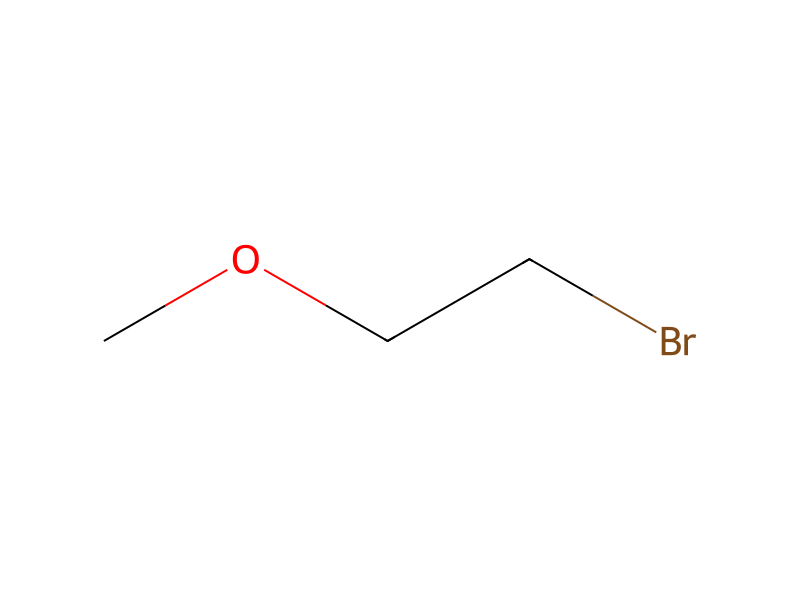
[CH2:1]([C:3]1[C:7]([N+:8]([O-:10])=[O:9])=[C:6]([C:11]([NH2:13])=[O:12])[NH:5][N:4]=1)[CH3:2].C(=O)([O-])[O-].[Na+].[Na+].[I-].[Na+].[CH3:22][O:23][CH2:24][CH2:25]Br>CC(CC)=O.O>[CH2:1]([C:3]1[N:4]([CH2:25][CH2:24][O:23][CH3:22])[N:5]=[C:6]([C:11]([NH2:13])=[O:12])[C:7]=1[N+:8]([O-:10])=[O:9])[CH3:2]Participants
Reactant 4



Product 1

Reagents, catalysts & solvents 2


Procedure
A mixture of 3-ethyl-4-nitro-1H-pyrazole-5-carboxamide (25 g, 0.136 Mol), sodium carbonate (18 g, 0.17 Mol) and sodium iodide (20.4 g, 0.136 Mol) were suspended in ethyl methyl ketone (125 mL) at room temperature. 2-bromoethyl methyl ether (12.8 mL, 0.142 Mol) was added and the mixture was heated to reflux and stirred for 70 hours. The mixture was cooled to ambient temperature and water (250 mL) was added. The resultant slurry was warmed to reflux and held at that temperature for 30 min before cooling to room temperature. The resultant precipitate was granulated at room temperature for 3 h, filtered and vacuum dried to afford 5-ethyl-1-(2-methoxyethyl)-4-nitro-1H-pyrazole-3-carboxamide as a yellow crystalline solid 24.3 g, 74%. Data as reported for Example (g)(i).
Workup
- temperaturethe mixture was heated
- temperatureto reflux
- temperatureThe resultant slurry was warmed
- temperatureto reflux
- waitheld at that temperature for 30 min
- temperaturebefore cooling to room temperature
- filtrationfiltered
- customvacuum dried
Sources & evidence
- ORD record
- ord-207336dc03b249259a1599871271702c
- Source dataset
- uspto-grants-2002_06
- Patent number
- US06407259B1
Reaction notes
Loading…