1-Chloro-4-nitrobenzene → 2-(5-chloro-2-nitrophenyl)acetonitrile
Reaction equation

ClC1C=CC([N+]([O-])=O)=CC=1.ClC1C=CC(OCC#N)=CC=1.C(=O)([O-])[O-].[K+].[K+].C1OCCOCCOCCOCCOCCOC1.[Cl:46][C:47]1[CH:48]=[CH:49][C:50]([N+:56]([O-:58])=[O:57])=[C:51]([CH2:53][C:54]#[N:55])[CH:52]=1.[F:59][C:60]1[CH:61]=[C:62]([CH:65]=[CH:66][CH:67]=1)[CH2:63]Br>C(#N)C>[Cl:46][C:47]1[CH:48]=[CH:49][C:50]([N+:56]([O-:58])=[O:57])=[C:51]([CH2:53][C:54]#[N:55])[CH:52]=1.[Cl:46][C:47]1[CH:48]=[CH:49][C:50]([N+:56]([O-:58])=[O:57])=[C:51]([CH:53]([CH2:63][C:62]2[CH:65]=[CH:66][CH:67]=[C:60]([F:59])[CH:61]=2)[C:54]#[N:55])[CH:52]=1Participants
Reactant 6



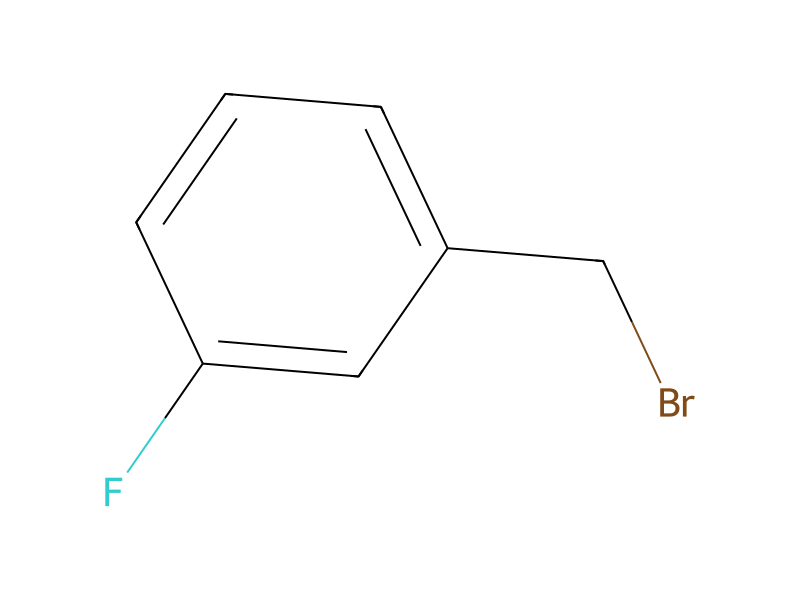


Product 2

Reagents, catalysts & solvents 1

Procedure
(5-Chloro-2-nitrophenyl)acetonitrile was prepared from 4-chloronitrobenzene and 4-chlorophenoxyacetonitrile according to procedure known in the art (M. Makosza, J. Winiarski, J. Org. Chem. 1984, 49, 1494). To a suspension of 13.8 g (0.1 mol) anhydrous potassium carbonate in 100 ml acetonitrile were added 100 mg 18-crown-6, 3.93 g (20.0 mmol) of (5-chloro-2-nitrophenyl)acetonitrile, and 4.15 g (21.95 mmol) 3-fluorobenzyl bromide, successively. It was stirred at room temperature overnight, and the solids were removed by filtration. The filtrate was concentrated under reduced pressure, and the residue was stirred with a small amount of ethanol to give the pale yellow crystalline title compound, which was collected by filtration, washed with cold ethanol, and dried in vacuo.
Workup
- customthe solids were removed by filtration
- concentrationThe filtrate was concentrated under reduced pressure
- stirringthe residue was stirred with a small amount of ethanol
Sources & evidence
- ORD record
- ord-a1ff3e23b31847e8991510042e9ceee9
- Source dataset
- uspto-grants-2002_06
- Patent number
- US06410562B1
Reaction notes
Loading…