Acridan → N-(4-nitrophenyl)acridan
Reaction equation

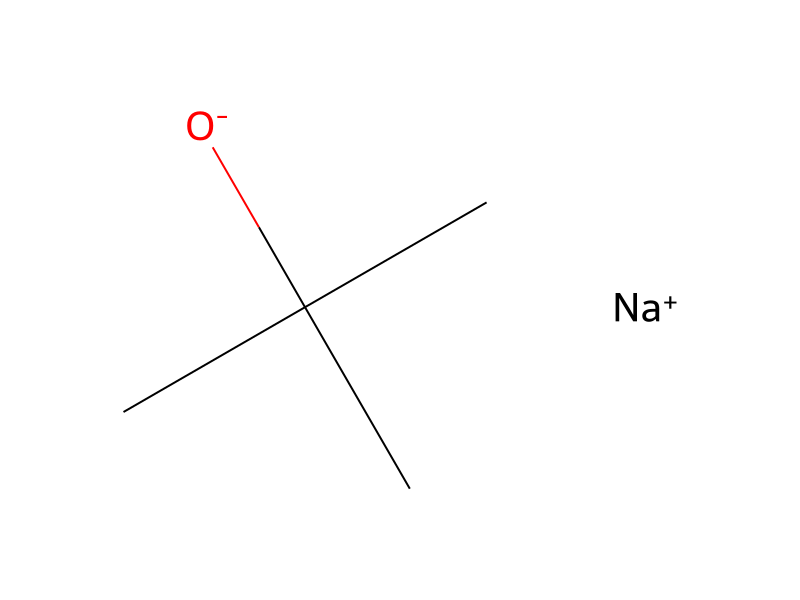
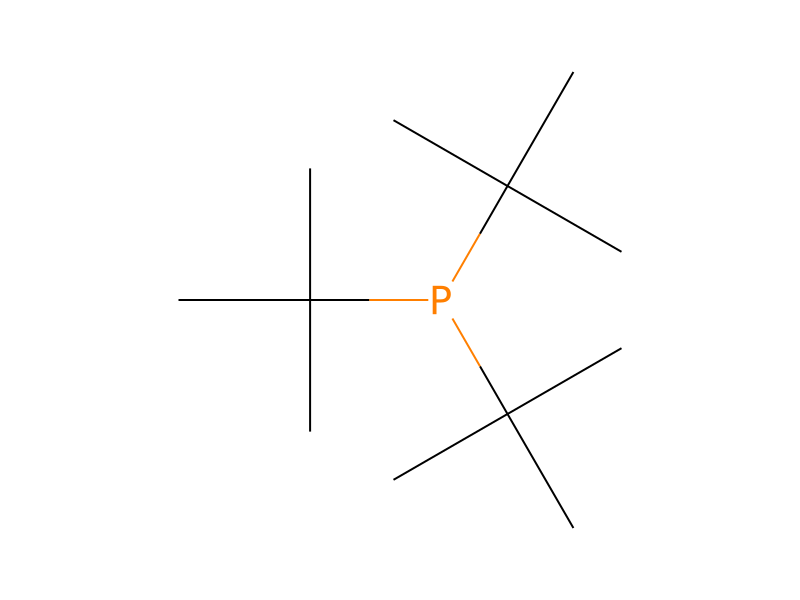
[CH:1]1[C:14]2[CH2:13][C:12]3[C:7](=[CH:8][CH:9]=[CH:10][CH:11]=3)[NH:6][C:5]=2[CH:4]=[CH:3][CH:2]=1.CC(C)([O-])C.[Na+].Br[C:22]1[CH:27]=[CH:26][C:25]([N+:28]([O-:30])=[O:29])=[CH:24][CH:23]=1>C1(C)C=CC=CC=1.CC([O-])=O.CC([O-])=O.[Pd+2].C(P(C(C)(C)C)C(C)(C)C)(C)(C)C>[N+:28]([C:25]1[CH:26]=[CH:27][C:22]([N:6]2[C:7]3[C:12](=[CH:11][CH:10]=[CH:9][CH:8]=3)[CH2:13][C:14]3[CH:1]=[CH:2][CH:3]=[CH:4][C:5]2=3)=[CH:23][CH:24]=1)([O-:30])=[O:29]Participants
7





Procedure
A mixture of 10.00 g of acridan (55.2 mmol), 0.26 g of Pd(OAc)2 (0.11 mmol), 0.20 g of tri-t-butylphosphine (0.88 mmol), 7.96 g of sodium t-butoxide (82.8 mmol), and 12.39 g of 1-bromo-4-nitrobenzene (61.3 mmol) in 150 mL of dry toluene (MgSO4) was stirred at room temperature under inert atmosphere for 18 h. The reaction mixture was extracted with 1 L of CH2Cl2 and filtered through silica gel. The filtrate chromatographed on silica gel with 2.5-5% ethyl acetate in hexanes to afford white solid that was triturated in hexanes, filtered and dried to yield 4.00 g (24%) of pure N-(4-nitrophenyl)acridan.
Workup
- extractionThe reaction mixture was extracted with 1 L of CH2Cl2
- filtrationfiltered through silica gel
- customThe filtrate chromatographed on silica gel with 2.5-5% ethyl acetate in hexanes
- customto afford white solid
- customthat was triturated in hexanes
- filtrationfiltered
- customdried
Sources & evidence
- ORD record
- ord-d8cc4a4f74444f518e2f7e2fe3299051
- Source dataset
- uspto-grants-2002_06
- Patent number
- US06410732B2
Reaction notes
Loading…