Ammonia → HCID 68615250, compound
Reaction equation

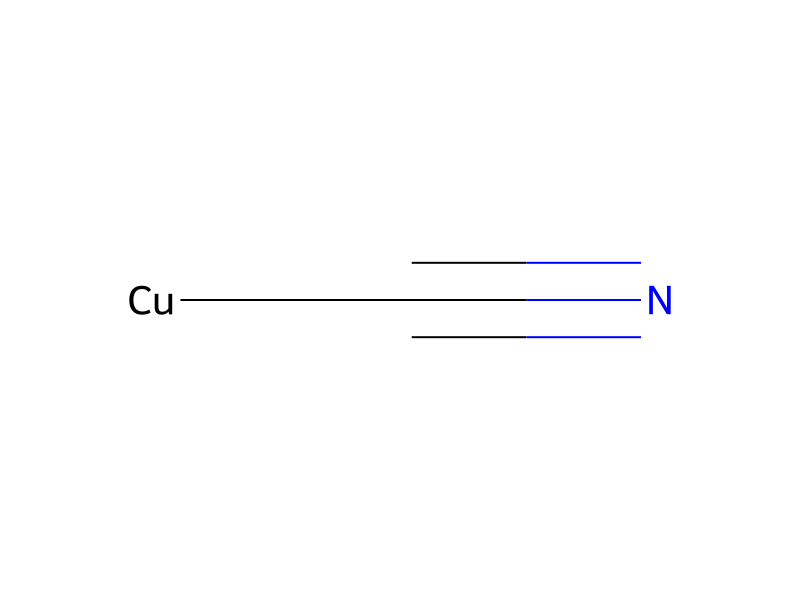
Br[C:2]1[CH:7]=[CH:6][C:5]2[C:8]3([O:17][CH2:18][C:4]=2[CH:3]=1)[CH2:13][CH2:12][CH2:11][N:10]1[CH:14]=[N:15][CH:16]=[C:9]31.[Cu][C:20]#[N:21].N.C(OCC)(=O)C>CN1CCCC1=O>[CH:16]1[N:15]=[CH:14][N:10]2[CH2:11][CH2:12][CH2:13][C:8]3([C:5]4[CH:6]=[CH:7][C:2]([C:20]#[N:21])=[CH:3][C:4]=4[CH2:18][O:17]3)[C:9]=12Participants
Reactant 4



Product 1

Reagents, catalysts & solvents 1

Conditions
- Temperature
- 150 °C
Procedure
A mixture of 1.93 mmol of 5-bromo-6′,7′-dihydro-3H,5′H-spiro[2-benzofuran-1,8′-imidazo[1,5-a]pyridine] and 9.63 mmol of copper(I) cyanide in 10 ml of N-methyl-pyrrolidone is heated to 150° C. for 72 h. The reaction mixture is cooled to room temperature and poured into a mixture of 25% aqueous ammonia and ethyl acetate. The mixture is stirred vigorously for 15 minutes and the layers are separated. The aqueous layer is extracted with ethyl acetate and the combined organics are washed with water, dried over sodium sulfate, filtered and concentrated under reduced pressure. The resulting residue is purified by flash chromatography (SiO2 60 F) followed by crystallization from diethyl ether to afford the title compound as a beige solid. Rf=0.15 (dichloromethane-2M ammonia in ethanol 97:3); Rt=4.66 (gradient II).
Workup
- temperatureThe reaction mixture is cooled to room temperature
- customthe layers are separated
- extractionThe aqueous layer is extracted with ethyl acetate
- washthe combined organics are washed with water
- dry with materialdried over sodium sulfate
- filtrationfiltered
- concentrationconcentrated under reduced pressure
- customThe resulting residue is purified by flash chromatography (SiO2 60 F)
- customfollowed by crystallization from diethyl ether
Sources & evidence
- ORD record
- ord-35d1d8ab65c549719f763cec06982277
- Source dataset
- uspto-grants-2012_12
- Patent number
- US08324235B2
Reaction notes
Loading…