Sodium hydride → HCID 67250969, compound
Reaction equation

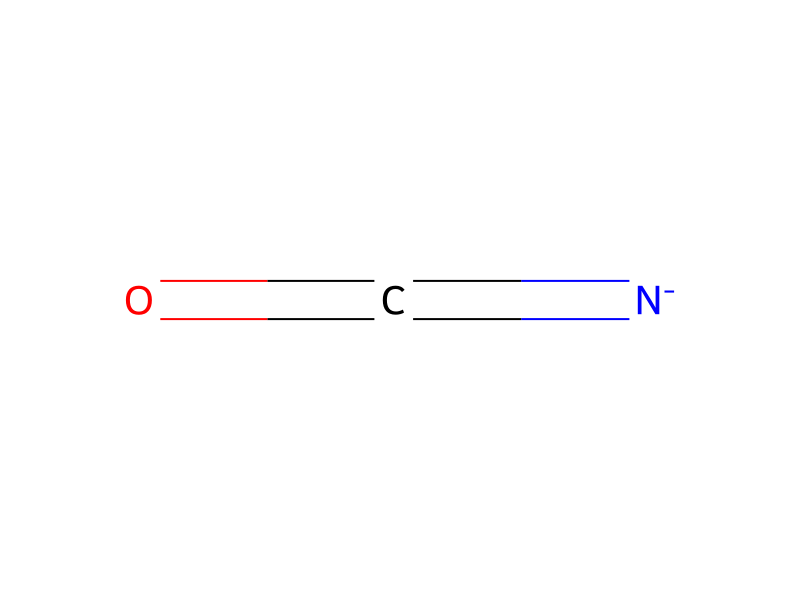
C(O[C:4]([C:6]1[CH:7]=[N:8][C:9]2[C:14]([C:15]=1[NH2:16])=[CH:13][CH:12]=[CH:11][CH:10]=2)=[O:5])C.[H-].[Na+].[N-:19]=[C:20]=[O:21].[N-]=C=S>CN(C=O)C.O>[NH:16]1[C:15]2[C:14]3[CH:13]=[CH:12][CH:11]=[CH:10][C:9]=3[N:8]=[CH:7][C:6]=2[C:4](=[O:5])[NH:19][C:20]1=[O:21]Participants





Procedure
To a solution of a 4-amino-quinoline-3-carboxylic acid ethyl ester derivative (0.50 mmol) in 10 mL anhydrous DMF is added sodium hydride (4 eq., 2.0 mmol) and stirred at room temperature for 30 min. To this solution an isocyanate or isothiocyanate (1.5-4 eq. 2.0 mmol) is added. The resulting reaction mixture is stirred for 18 h at room temperature or at 100° C. After completion of the reaction, the mixture is poured into water (20 mL) and extracted with ethyl acetate (2×25 mL). The organic extracts are combined, washed with water (2×25 mL), brine (2×25 mL), dried over Na2SO4 and concentrated in vacuo to give the crude product. The residue is then purified by silica gel chromatography using dichloromethane-ethyl acetate to provide desired 1H-pyrimido[5,4-c]quinoline-2,4-dione or thio-ketone derivative.
Workup
- customThe resulting reaction mixture
- stirringis stirred for 18 h at room temperature or at 100° C
- customAfter completion of the reaction
- extractionextracted with ethyl acetate (2×25 mL)
- washwashed with water (2×25 mL), brine (2×25 mL)
- dry with materialdried over Na2SO4
- concentrationconcentrated in vacuo
- customto give the crude product
- customThe residue is then purified by silica gel chromatography
Sources & evidence
- ORD record
- ord-59a3a70874794657953c19b37781c39e
- Source dataset
- uspto-grants-2012_12
- Patent number
- US08329715B2
Reaction notes
Loading…