Sodium Hydroxide → HCID 59570886, compound
Reaction equation

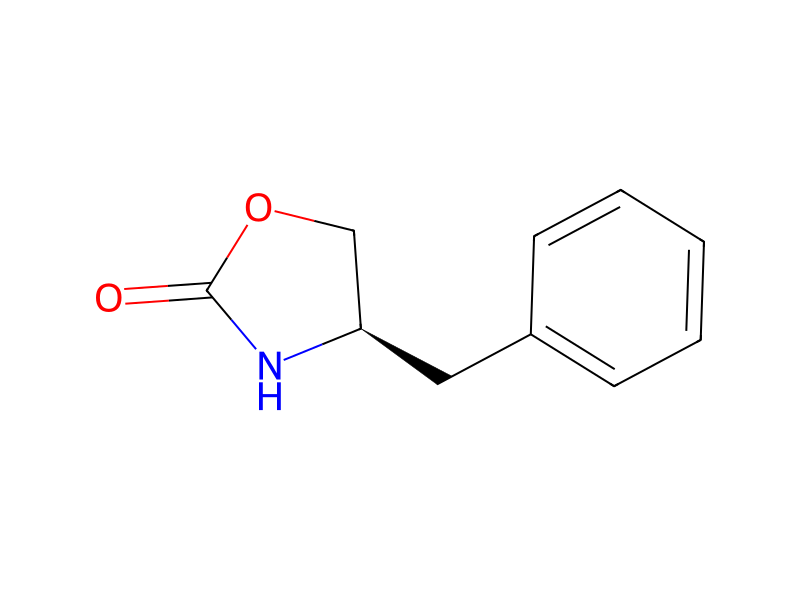
[CH:1]1([C:4]2[CH:5]=[C:6]([CH:16]([CH2:20][C@H:21]3[CH2:41][CH2:40][C:23]4([O:27][C@H:26]([C:28]5[CH:33]=[CH:32][CH:31]=[CH:30][CH:29]=5)[C@@H:25]([C:34]5[CH:39]=[CH:38][CH:37]=[CH:36][CH:35]=5)[O:24]4)[CH2:22]3)[C:17](O)=[O:18])[CH:7]=[CH:8][C:9]=2[S:10]([CH:13]2[CH2:15][CH2:14]2)(=[O:12])=[O:11])[CH2:3][CH2:2]1.CC(C)(C)C(Cl)=O.[CH2:49]([C@@H:56]1[CH2:60][O:59][C:58](=[O:61])[NH:57]1)[C:50]1[CH:55]=[CH:54][CH:53]=[CH:52][CH:51]=1.C([Li])CCC.CCCCCC.[OH-].[Na+]>C1COCC1.C(N(CC)CC)C>[CH2:49]([C@@H:56]1[CH2:60][O:59][C:58](=[O:61])[N:57]1[C:17](=[O:18])[CH:16]([C:6]1[CH:7]=[CH:8][C:9]([S:10]([CH:13]2[CH2:15][CH2:14]2)(=[O:12])=[O:11])=[C:4]([CH:1]2[CH2:2][CH2:3]2)[CH:5]=1)[CH2:20][C@H:21]1[CH2:41][CH2:40][C:23]2([O:27][C@H:26]([C:28]3[CH:29]=[CH:30][CH:31]=[CH:32][CH:33]=3)[C@@H:25]([C:34]3[CH:39]=[CH:38][CH:37]=[CH:36][CH:35]=3)[O:24]2)[CH2:22]1)[C:50]1[CH:51]=[CH:52][CH:53]=[CH:54][CH:55]=1Participants
Reactant 5




Product 1

Reagents, catalysts & solvents 2


Procedure
To a solution of 2-[3-cyclopropyl-4-(cyclopropylsulfonyl)phenyl]-3-[(2R,3R,7R)-2,3-diphenyl-1,4-dioxaspiro[4.4]non-7-yl]propionic acid (70.8 g) in THF (350 mL) were added triethylamine (21 mL) and 2,2-dimethylpropanoyl chloride (19 mL) at an internal temperature of 11° C. or lower under ice-cooling, followed by stirring at room temperature for 1 hour. In another vessel, to a solution of (4R)-4-benzyl-1,3-oxazolidin-2-one (26.3 g) in THF (200 mL) was added 2.64 M n-butyl lithium/hexane solution (54.8 mL) at an internal temperature of −50° C. or lower, followed by warming to room temperature, stirring for 1 hour, and then cooling to an internal temperature of −60° C. To this reaction mixture was added dropwise the acid anhydride/THF mixture, which had been prepared previously, at an internal temperature of −50° C. or lower, followed by stirring at room temperature for 4 hours. 1 M Sodium hydroxide (600 mL) was added thereto under ice-cooling and the organic solvent was evaporated under reduced pressure, followed by extraction with ethyl acetate/hexane (1/3, 200 mL×3). The organic layer was sequentially washed with a saturated aqueous ammonium chloride solution (200 mL) and saturated brine (200 mL), and dried over anhydrous sodium sulfate, and the solvent was then evaporated under reduced pressure to obtain (4R)-4-benzyl-3-{2-[3-cyclopropyl-4-(cyclopropylsulfonyl)phenyl]-3-[(2R,3R,7R)-2,3-diphenyl-1,4-dioxaspiro[4.4]non-7-yl]propanoyl}-1,3-oxazolidin-2-one (72 g) as a brown oil.
Workup
- temperaturelower under ice-cooling
- temperatureby warming to room temperature
- stirringstirring for 1 hour
- temperaturecooling to an internal temperature of −60° C
- customhad been prepared previously, at an internal temperature of −50° C.
- stirringby stirring at room temperature for 4 hours
- temperatureunder ice-cooling
- customthe organic solvent was evaporated under reduced pressure
- extractionfollowed by extraction with ethyl acetate/hexane (1/3, 200 mL×3)
- washThe organic layer was sequentially washed with a saturated aqueous ammonium chloride solution (200 mL) and saturated brine (200 mL)
- dry with materialdried over anhydrous sodium sulfate
- customthe solvent was then evaporated under reduced pressure
Sources & evidence
- ORD record
- ord-5cbd99d55c2c4e64ab6c4ff595f3a7b0
- Source dataset
- uspto-grants-2012_12
- Patent number
- US08329707B2
Reaction notes
Loading…