Neopentyl glycol → HCID 59570984, compound
Reaction equation

[CH2:1]([C@@H:8]1[CH2:12][O:11][C:10](=[O:13])[N:9]1[C:14](=[O:38])[C@@H:15]([C:23]1[CH:28]=[CH:27][C:26]([S:29]([CH:32]2[CH2:34][CH2:33]2)(=[O:31])=[O:30])=[C:25]([CH:35]2[CH2:37][CH2:36]2)[CH:24]=1)[CH2:16][C@H:17]1[CH2:21][CH2:20][C:19](=[O:22])[CH2:18]1)[C:2]1[CH:7]=[CH:6][CH:5]=[CH:4][CH:3]=1.[CH3:39][C:40]([CH3:45])([CH2:43]O)[CH2:41][OH:42].C1(C)C=CC(S([O-])(=O)=O)=CC=1.[NH+]1C=CC=CC=1.C(=O)(O)[O-].[Na+]>C1(C)C=CC=CC=1>[CH2:1]([C@@H:8]1[CH2:12][O:11][C:10](=[O:13])[N:9]1[C:14](=[O:38])[C@@H:15]([C:23]1[CH:28]=[CH:27][C:26]([S:29]([CH:32]2[CH2:34][CH2:33]2)(=[O:31])=[O:30])=[C:25]([CH:35]2[CH2:37][CH2:36]2)[CH:24]=1)[CH2:16][C@H:17]1[CH2:21][CH2:20][C:19]2([O:42][CH2:41][C:40]([CH3:45])([CH3:43])[CH2:39][O:22]2)[CH2:18]1)[C:2]1[CH:7]=[CH:6][CH:5]=[CH:4][CH:3]=1Participants





Procedure
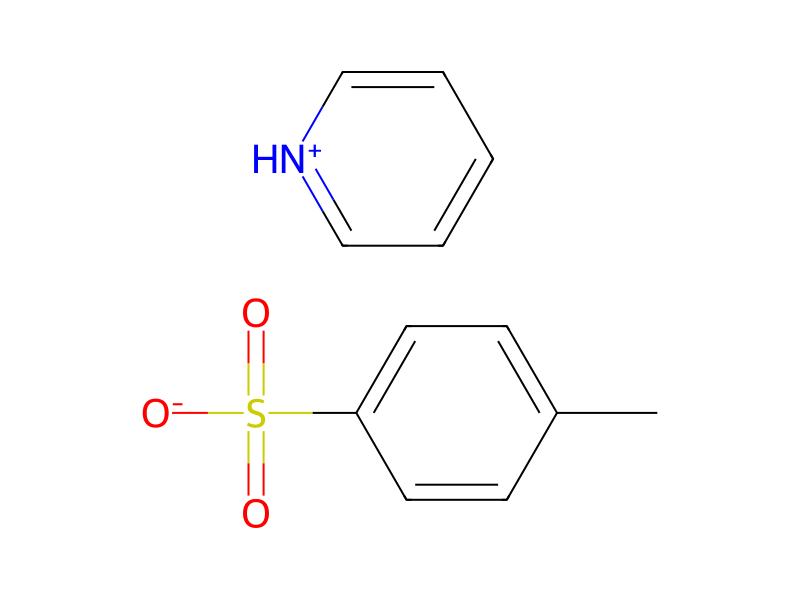
A mixture of (4R)-4-benzyl-3-{(2R)-2-[3-cyclopropyl-4-(cyclopropylsulfonyl)phenyl]-3-[(1R)-3-oxocyclopentyl]propanoyl}-1,3-oxazolidin-2-one (25.7 g), 2,2-dimethylpropane-1,3-diol (50 g), pyridinium paratoluenesulfonate (1.32 g), and toluene (205 mL) was stirred under heating and reflux for 6 hours. After leaving it to be cooled at room temperature, saturated aqueous sodium bicarbonate (100 mL) was added thereto and the aqueous layer was extracted with ethyl acetate (100 mL×2). The organic layer was combined, sequentially washed with 1 M aqueous sodium hydroxide solution (50 mL), saturated aqueous ammonium chloride solution (50 mL), and saturated brine (50 mL), and then dried over anhydrous sodium sulfate. The solvent was evaporated under reduced pressure to obtain (4R)-4-benzyl-3-{(2R)-2-[3-cyclopropyl-4-(cyclopropylsulfonyl)phenyl]-3-[(2R)-8,8-dimethyl-6,10-dioxaspiro[4.5]dec-2-yl]propanoyl}-1,3-oxazolidin-2-one (29.8 g) as a colorless amorphous substance.
Workup
- temperatureunder heating
- temperaturereflux for 6 hours
- customAfter leaving it
- extractionthe aqueous layer was extracted with ethyl acetate (100 mL×2)
- washsequentially washed with 1 M aqueous sodium hydroxide solution (50 mL), saturated aqueous ammonium chloride solution (50 mL), and saturated brine (50 mL)
- dry with materialdried over anhydrous sodium sulfate
- customThe solvent was evaporated under reduced pressure
Sources & evidence
- ORD record
- ord-ffd3e8a1599d4ad69f004752ac480e8c
- Source dataset
- uspto-grants-2012_12
- Patent number
- US08329707B2
Reaction notes
Loading…