Diphosgene → 5-(4-Acetylpiperazin-1-yl)isatoic anhydride
Reaction equation

[NH2:1][C:2]1[CH:10]=[CH:9][C:8]([N:11]2[CH2:16][CH2:15][N:14]([C:17](=[O:19])[CH3:18])[CH2:13][CH2:12]2)=[CH:7][C:3]=1[C:4]([OH:6])=[O:5].[O:20]1CCOC[CH2:21]1.O=C(Cl)OC(Cl)(Cl)Cl>O>[C:17]([N:14]1[CH2:13][CH2:12][N:11]([C:8]2[CH:7]=[C:3]3[C:4]([O:6][C:21](=[O:20])[NH:1][C:2]3=[CH:10][CH:9]=2)=[O:5])[CH2:16][CH2:15]1)(=[O:19])[CH3:18]Participants
5
Reactant 3
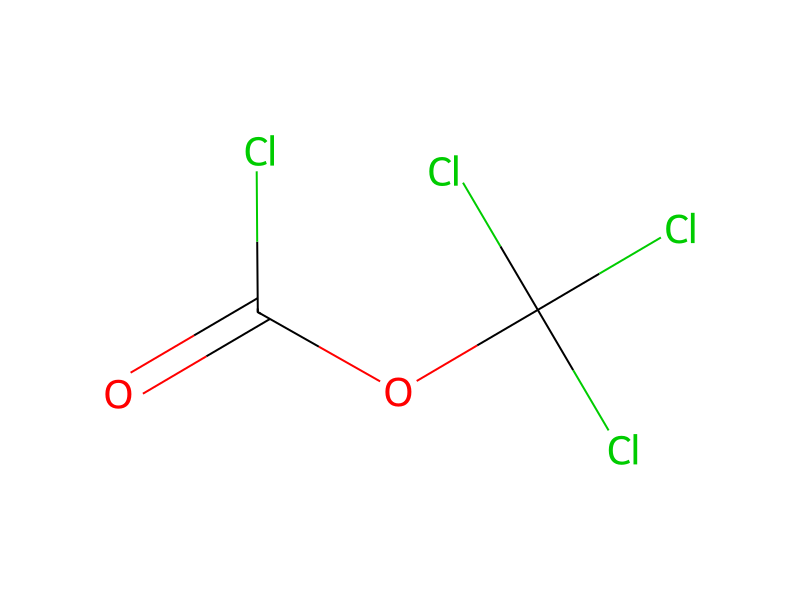


Product 1

Reagents, catalysts & solvents 1

Procedure
To the mixture of 18 g 2-amino-5-(4-acetylpiperazin-1-yl)benzoic acid and 60 ml dioxane, 10 ml diphosgene is added dropwise under stirring and cold water cooling. The mixture is then heated at reflux temperature for 2 hours. After cooling the solid material is filtered off, washed with 50 ml ether and dried. 24 g of the title compound is obtained (MH+: 290).
Workup
- additionis added dropwise
- temperatureThe mixture is then heated
- temperatureat reflux temperature for 2 hours
- temperatureAfter cooling the solid material
- filtrationis filtered off
- washwashed with 50 ml ether
- customdried
Sources & evidence
- ORD record
- ord-2ea3c469df114606936ba4bc94061de5
- Source dataset
- uspto-grants-2012_12
- Patent number
- US08338411B2
Reaction notes
Loading…