Propylene Oxide → Sodium silicate methyl methacrylate propylene oxide
Reaction equation

[Si:1]([O-:5])([O-:4])([O-:3])[O-:2].[Na+:6].[Na+].[Na+].[Na+].[C:10]([O:15][CH3:16])(=[O:14])[C:11]([CH3:13])=[CH2:12].[CH2:17]1[O:20][CH:18]1[CH3:19].C1(=O)OC(=O)C2=CC=CC=C12.[OH-].[Na+].C(OOC(=O)C1C=CC=CC=1)(=O)C1C=CC=CC=1>>[Si:1]([O-:5])([O-:4])([O-:3])[O-:2].[Na+:6].[Na+:6].[Na+:6].[Na+:6].[C:10]([O:15][CH3:16])(=[O:14])[C:11]([CH3:13])=[CH2:12].[CH2:17]1[O:20][CH:18]1[CH3:19]Participants
7






Procedure
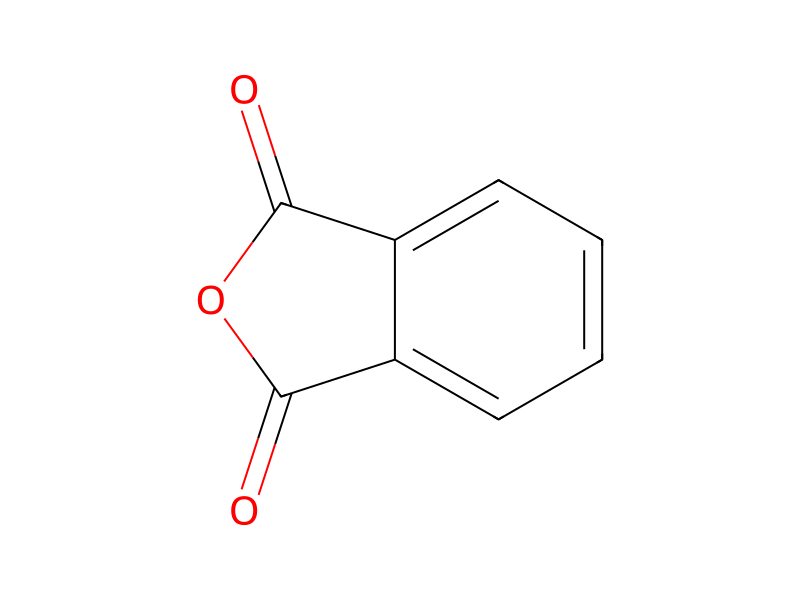
About 50 parts by weight of an aqueous sodium silicate solution containing about 10% Na2O and 25% SiO2 by weight, 25 parts by weight of methyl methacrylate, 10 parts by weight of propylene oxide, 2 parts by weight of phthalic anhydride, 5 parts by weight of sodium hydroxide and 0.5 parts by weight of benzoyl peroxide are thoroughly mixed thereby producing an emulsion. The mixture is reacted at ambient temperature and pressure for 1 to 24 hours thereby producing a poly(sodium silicate-methyl methacrylate-propylene oxide) copolymer emulsion.
Workup
- additionare thoroughly mixed
- customthereby producing an emulsion
- customThe mixture is reacted at ambient temperature
Sources & evidence
- ORD record
- ord-81f06945d4c240099657241ffd39aedf
- Source dataset
- uspto-grants-1982_11
- Patent number
- US04357429
Reaction notes
Loading…