3,4-dihydro-2H-pyran → 2-(3-Bromopropoxy)tetrahydro-2H-pyran
Reaction equation

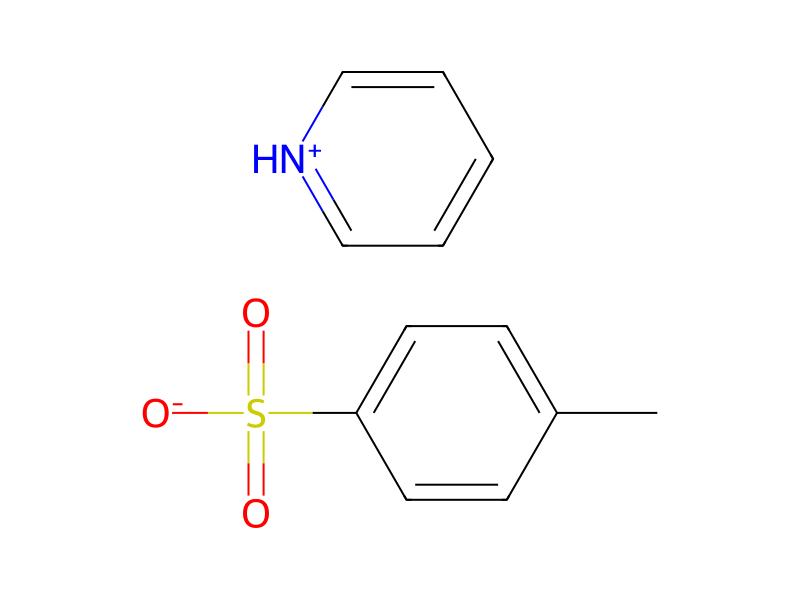
[Br:1][CH2:2][CH2:3][CH2:4][OH:5].[O:6]1[CH:11]=[CH:10][CH2:9][CH2:8][CH2:7]1>C(Cl)Cl.CC1C=CC(S([O-])(=O)=O)=CC=1.C1C=C[NH+]=CC=1>[Br:1][CH2:2][CH2:3][CH2:4][O:5][CH:7]1[CH2:8][CH2:9][CH2:10][CH2:11][O:6]1Participants
5



Procedure
To a solution of 3-bromopropan-1-ol (8 g, 57.9 mmol) in DCM (100 mL) was added PPTS (891 mg, 3.6 mmol), then dihydropyran (7.3 g, 86.9 mmol) was added dropwise at 0° C. The mixture was stirred at room temperature overnight. It was partitioned between DCM and water. The organic phase was washed with brine, dried over sodium sulfate, filtered and concentrated to give a crude product which was purified by column chromatography eluting with petroleum ether/ethyl acetate (50:1) to give 2-(3-bromopropoxy)tetrahydro-2H-pyran (8.9 g, 69.0% yield) as a light yellow oil.
Workup
- customIt was partitioned between DCM and water
- washThe organic phase was washed with brine
- dry with materialdried over sodium sulfate
- filtrationfiltered
- concentrationconcentrated
- customto give a crude product which
- customwas purified by column chromatography
- washeluting with petroleum ether/ethyl acetate (50:1)
Sources & evidence
- ORD record
- ord-af511a4ac49a442eac8a0dc16aa320de
- Source dataset
- uspto-grants-2016_06
- Patent number
- US09359359B2
Reaction notes
Loading…