Acetaldehyde → rac-(E)-14,16-Dimethyloxacyclohexadec-13-en-2-one
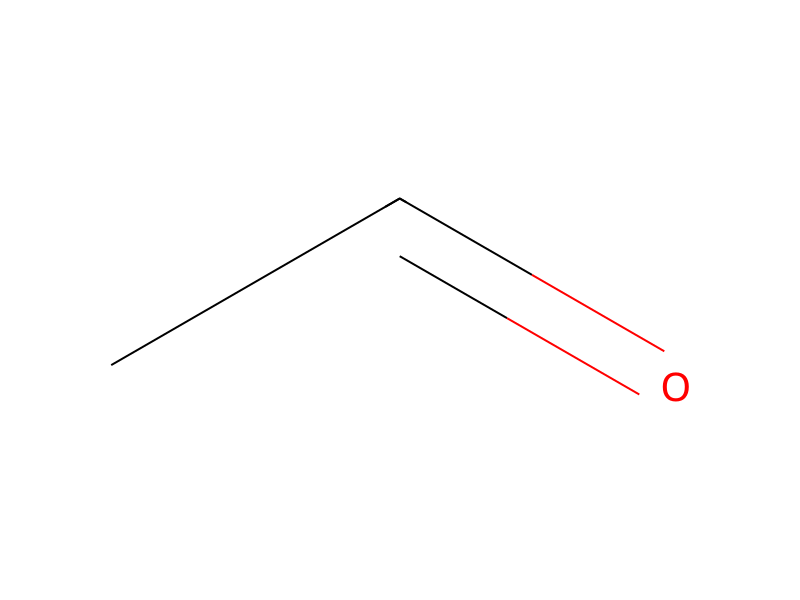
Reaction equation

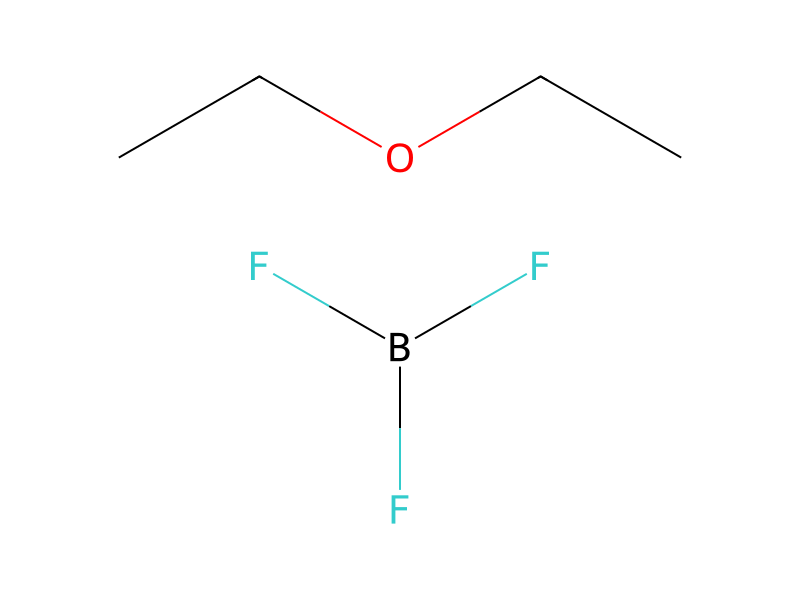
[CH2:1]=[C:2]([CH:4]1[CH2:15][CH2:14][CH2:13][CH2:12][CH2:11][CH2:10][CH2:9][CH2:8][CH2:7][CH2:6][C:5]1=[O:16])[CH3:3].[CH:17](=[O:19])[CH3:18].B(F)(F)F.CCOCC>ClCCCl>[CH3:3][C:2]1=[CH:4][CH2:15][CH2:14][CH2:13][CH2:12][CH2:11][CH2:10][CH2:9][CH2:8][CH2:7][CH2:6][C:5](=[O:16])[O:19][CH:17]([CH3:18])[CH2:1]1Participants
5
Reactant 3

Product 1

Reagents, catalysts & solvents 1

Procedure
Following the general procedure as described in Example 1, 2-(prop-1-en-2-yl)cyclododecanone (2.22 g, 10 mmol), acetaldehyde (0.53 g, 12 mmol) and boron trifluoride etherate (0.14 g, 1.0 mmol) in 1,2-dichloroethane (10 mL) were reacted to give the title product as a colorless liquid (2.34 g, 88% yield. Mixture of E/Z isomers in a ratio of 8:1.
Workup
- customwere reacted
Sources & evidence
- ORD record
- ord-63d48bc46497453196f8fd449817126a
- Source dataset
- uspto-grants-2016_06
- Patent number
- US09371262B2
Reaction notes
Loading…