Hydrochloric Acid → HCID 118293778, compound
Reaction equation

[F-].C([N+](CCCC)(CCCC)CCCC)CCC.C(N)CN.[CH3:23][C:24]1[N:29]=[C:28]([C@H:30]2[CH2:34][CH2:33][C@@:32]3([CH2:38][CH2:37][N:36](COCC[Si](C)(C)C)[C:35]3=[O:47])[NH:31]2)[CH:27]=[C:26]([C:48]2[CH:53]=[CH:52][C:51]([C:54]([F:57])([F:56])[F:55])=[CH:50][CH:49]=2)[CH:25]=1.[ClH:58].CCOCC>C1COCC1.C(Cl)Cl>[ClH:58].[CH3:23][C:24]1[N:29]=[C:28]([C@H:30]2[CH2:34][CH2:33][C@@:32]3([CH2:38][CH2:37][NH:36][C:35]3=[O:47])[NH:31]2)[CH:27]=[C:26]([C:48]2[CH:53]=[CH:52][C:51]([C:54]([F:57])([F:55])[F:56])=[CH:50][CH:49]=2)[CH:25]=1Participants
Reactant 5




Product 1

Reagents, catalysts & solvents 2


Conditions
- Temperature
- 120 °C
Procedure
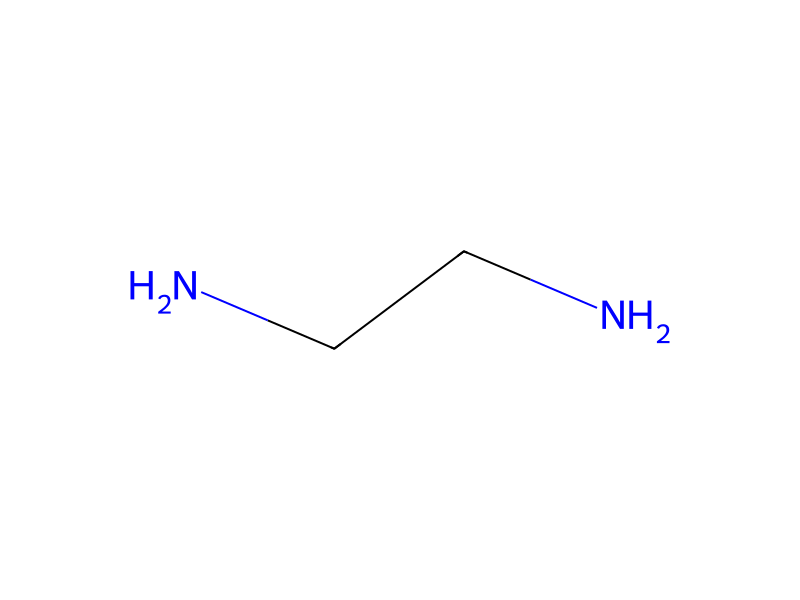
1 M tetra-n-butylammonium fluoride in THF (1.43 mL, 1.43 mmol) then ethylenediamine (0.19 mL, 2.87 mmol) were successively added to a stirred solution of (2R,5S)-2-[6-methyl-4-[4-(trifluoromethyl)-phenyl]-2-pyridyl]-7-(2-trimethylsilylethoxymethyl)-1,7-diazaspiro[4.4]nonan-6-one (which may be prepared as described in Description 45) (145 mg, 0.2900 mmol) in dry THF (4 mL) in a 20 mL microwave vial. It was then sealed under N2 and heated in a microwave reactor at 120° C. for 0.5 hours (3 bar pressure recorded). Further 1 M tetra-n-butylammonium fluoride in THF (1.43 mL, 1.43 mmol) was added and the solution microwaved for a further 0.5 hours at 120° C. More 1 M tetra-n-butylammonium fluoride in THF (1.43 mL, 1.43 mmol) was added and the solution microwaved for a further 0.5 hours at 120° C. More 1 M tetra-n-butylammonium fluoride in THF (1.43 mL, 1.43 mmol) was added and the solution microwaved for a further 0.5 hours at 120° C. The reaction mixture was evaporated to a residue which was dissolved in EtOAc (25 mL) and the solution washed with water (2×20 mL). The latter was re-extracted with EtOAc (2×20 mL) and the combined organic extracts were dried (MgSO4) and evaporated to an oil, which was dried at room temperature under vaccum overnight. The oil separated into a colourless mobile phase and a light yellow, viscous, immobile oil. The former was removed to leave the viscous oil. This was purified by silica gel column chromatography. The oil was dissolved in DCM (3 mL) and the solution applied to a 10 g cartridge which was eluted on a Biotage SP4 system with a gradient of solvent A:DCM (0-80%) where solvent A=MeOH/DCM/1 M NH3-MeOH (10:90:4). Relevant fractions were pooled and evaporated to a light yellow oil which was stirred with iso-hexane (2×2 mL), which was decanted leaving an insoluble oil. This was dissolved in DCM (2 mL) and 1 M HCl in Et2O (190 μL, 1.05 equivalent) was added. The solution was evaporated to a foam. To the foam was added Et2O (2 mL) and the mixture was stirred for 2 hours until a cream solid was obtained. The supernatant was decanted off and the solid was dried at room temperature under vacuum overnight to form (2R,5S)-2-[6-methyl-4-[4-(trifluoro-methyl)phenyl]-2-pyridyl]-1,7-diazaspiro-[4.4]nonan-6-one hydrochloride (E94) (50 mg);
Workup
- customIt was then sealed under N2
- customthe solution microwaved for a further 0.5 hours at 120° C
- customthe solution microwaved for a further 0.5 hours at 120° C
- customthe solution microwaved for a further 0.5 hours at 120° C
- customThe reaction mixture was evaporated to a residue which
- dissolutionwas dissolved in EtOAc (25 mL)
- washthe solution washed with water (2×20 mL)
- extractionThe latter was re-extracted with EtOAc (2×20 mL)
- dry with materialthe combined organic extracts were dried (MgSO4)
- customevaporated to an oil, which
- customwas dried at room temperature under vaccum overnight
- customThe oil separated into a colourless mobile phase
- customThe former was removed
- customto leave the viscous oil
- customThis was purified by silica gel column chromatography
- dissolutionThe oil was dissolved in DCM (3 mL)
- washwas eluted on a Biotage SP4 system with a gradient of solvent A
- customevaporated to a light yellow oil which
- customwas decanted
- customleaving an insoluble oil
- customThe solution was evaporated to a foam
- additionTo the foam was added Et2O (2 mL)
- stirringthe mixture was stirred for 2 hours until a cream solid
- customwas obtained
- customThe supernatant was decanted off
- customthe solid was dried at room temperature under vacuum overnight
Sources & evidence
- ORD record
- ord-dcc599505a2c41a1ab1fd1a96b4242c2
- Source dataset
- uspto-grants-2016_06
- Patent number
- US09376436B2
Reaction notes
Loading…