Triethylamine → N-(Quinolin-3-Yl)propanamide
Reaction equation

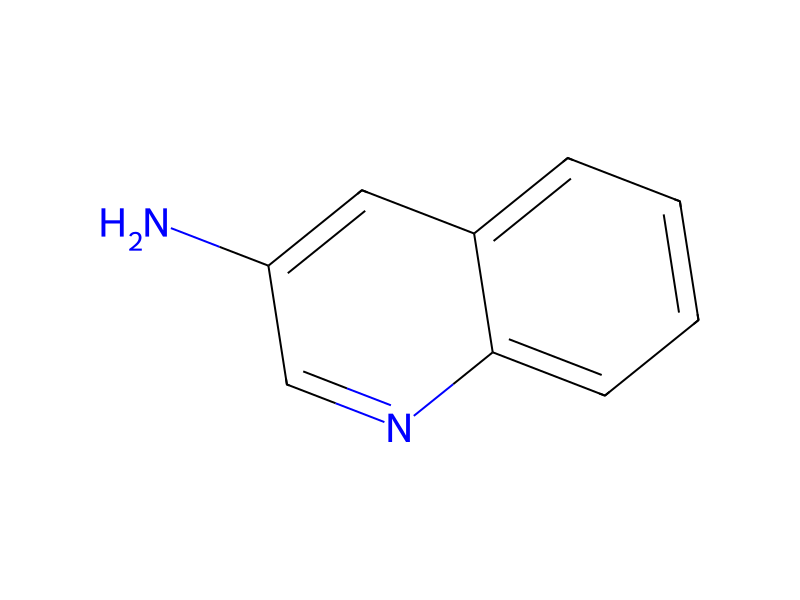
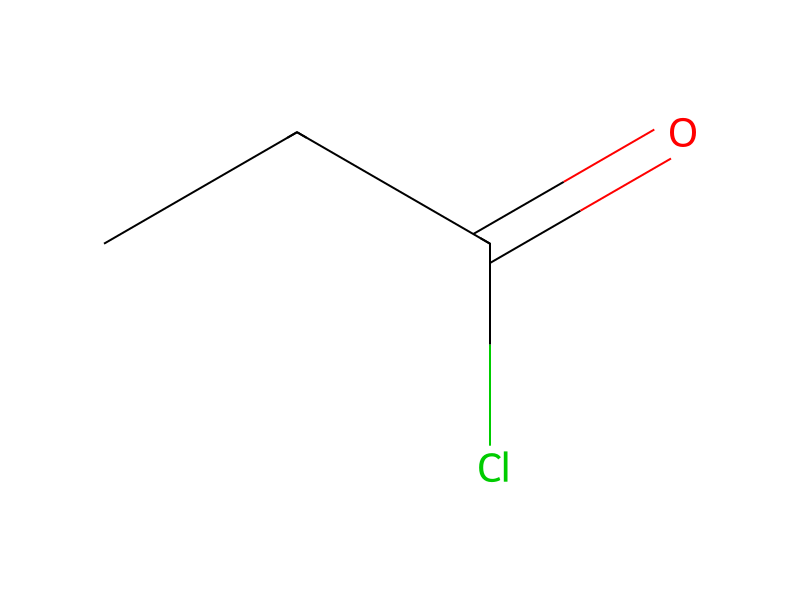
[C:1](Cl)(=[O:4])[CH2:2][CH3:3].[NH2:6][C:7]1[CH:8]=[N:9][C:10]2[C:15]([CH:16]=1)=[CH:14][CH:13]=[CH:12][CH:11]=2.C(N(CC)CC)C>ClCCl.C(=O)([O-])[O-].[Na+].[Na+]>[C:1]([NH:6][C:7]1[CH:8]=[N:9][C:10]2[C:15]([CH:16]=1)=[CH:14][CH:13]=[CH:12][CH:11]=2)(=[O:4])[CH2:2][CH3:3]Participants
6
Reactant 3

Product 1

Reagents, catalysts & solvents 2


Procedure
Propionic acid chloride (17 g, 184 mmol) was added at ambient temperature to a solution of 25 g (174 mmol) 3-aminoquinoline and 26 ml triethyl amine in 400 ml dichloromethane. After stirring for 2 hours in 200 ml 10% sodium carbonate was added and the mixture was shaken and separated. The aqueous phase was extracted 3 times with dichloromethane and 3 times with ethyl acetate. The combined organic phases where dried (magnesium sulfate), filtered and evaporated to yield 35.0 g (100%) of the desired product.
Workup
- additionwas added
- customseparated
- extractionThe aqueous phase was extracted 3 times with dichloromethane and 3 times with ethyl acetate
- dry with materialThe combined organic phases where dried (magnesium sulfate)
- filtrationfiltered
- customevaporated
Sources & evidence
- ORD record
- ord-1f2fb1d6f43546aebf8fad0c3911f017
- Source dataset
- uspto-grants-1995_10
- Patent number
- US05461061
Reaction notes
Loading…