Isobutyryl chloride → N-[5-(2,3-Difluorophenyl)-1H-pyrazolo[3,4-c]pyridin-3-yl]isobutyramide
Reaction equation

[F:1][C:2]1[C:7]([F:8])=[CH:6][CH:5]=[CH:4][C:3]=1[C:9]1[CH:10]=[C:11]2[C:17]([NH2:18])=[N:16][NH:15][C:12]2=[CH:13][N:14]=1.[C:19](Cl)(=[O:23])[CH:20]([CH3:22])[CH3:21]>N1C=CC=CC=1.CO.ClCCl>[F:1][C:2]1[C:7]([F:8])=[CH:6][CH:5]=[CH:4][C:3]=1[C:9]1[CH:10]=[C:11]2[C:17]([NH:18][C:19](=[O:23])[CH:20]([CH3:22])[CH3:21])=[N:16][NH:15][C:12]2=[CH:13][N:14]=1Participants
6
Reactant 2
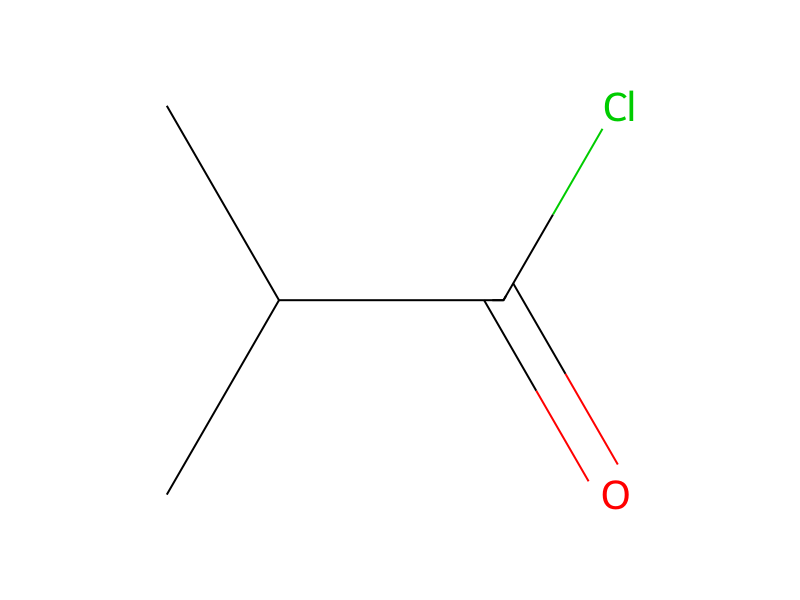

Product 1

Reagents, catalysts & solvents 3



Procedure
5-(2,3-Difluorophenyl)-1H-pyrazolo[3,4-c]pyridin-3-ylamine (Description 3; 100 mg, 0.41 mmol) was reacted with isobutyryl chloride (43 uL, 0.41 mmol) in pyridine (0.5 mL) in a manner analogous to that described in Example 1. Chromatography on silica gel using 4% v/v methanol in dichloromethane as eluent afforded the title compound as a solid.
Sources & evidence
- ORD record
- ord-806fff28dab34c73a6b534be41d57f7d
- Source dataset
- uspto-grants-2006_09
- Patent number
- US07105532B2
Reaction notes
Loading…