Ammonia → HCID 11346120, compound
Reaction equation

[NH2-].[Na+].N.[Na].[CH2:5]([O:12][C:13]1[C:18]([O:19][CH3:20])=[CH:17][C:16]([CH2:21][CH2:22][C:23]#[N:24])=[C:15](Br)[CH:14]=1)[C:6]1[CH:11]=[CH:10][CH:9]=[CH:8][CH:7]=1>>[CH2:5]([O:12][C:13]1[CH:14]=[C:15]2[C:16]([CH2:21][CH:22]2[C:23]#[N:24])=[CH:17][C:18]=1[O:19][CH3:20])[C:6]1[CH:11]=[CH:10][CH:9]=[CH:8][CH:7]=1Participants

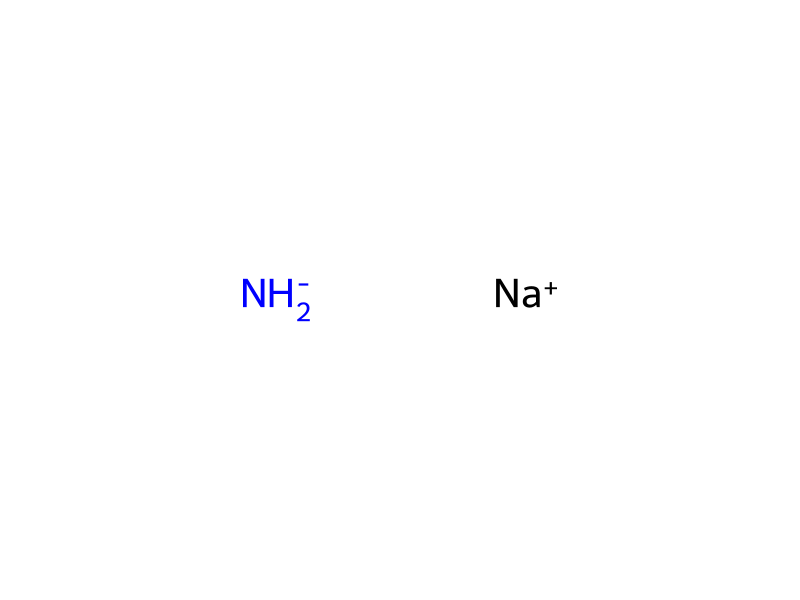



Conditions
- Temperature
- -33 °C
Procedure
A suspension of sodium amide is prepared from 100 mL of liquid ammonia, sodium (0.52 g, 22.8 mmol) and a catalytic amount of ferric nitrate. To this is added 3-(4-benzyloxy-2-bromo-5-methoxyphenyl)-propionitrile (2 g, 5.7 mmol) in portions and the reaction stirred at −33° C. 45 minutes. The reaction then cooled down to −78° C. and quenched with ammonium chloride. The liquid ammonia is allowed to evaporate and the resulting solid residue is washed with water. The tan solid obtained is purified by flash chromatography, using 4:1 hexanes/ethyl acetate as an eluent. The clean fractions are combined and reduced in vacuo to yield 1 g of 4-benzyloxy-3-methoxybicyclo[4.2.0]octa-1,3,5-triene-7-carbonitrile as a clear oil that solidified into a white solid upon standing, mp 85° C.
Workup
- custom45 minutes
- customThe reaction
- temperaturethen cooled down to −78° C.
- customquenched with ammonium chloride
- customto evaporate
- washthe resulting solid residue is washed with water
- customThe tan solid obtained
- customis purified by flash chromatography
Sources & evidence
- ORD record
- ord-794c33f9a3e6485a9363867e61620162
- Source dataset
- uspto-grants-2006_09
- Patent number
- US07105531B2
Reaction notes
Loading…